The story of STOCKHOLM II
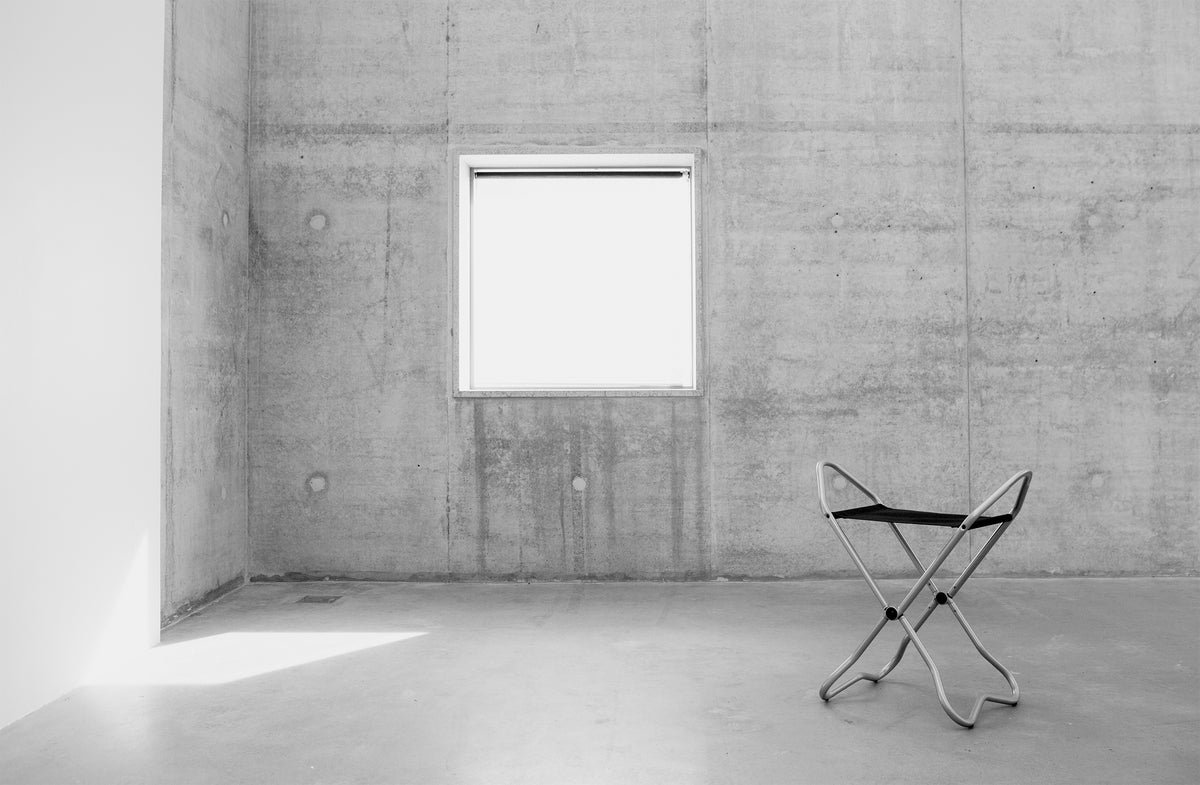
From a practical need at the Nationalmuseum in Stockholm to a folding stool in more than 2,500 museums worldwide. This is the story of how STOCKHOLM II came about and grew into a family of folding stools.
1989 – It all began at the Nationalmuseum
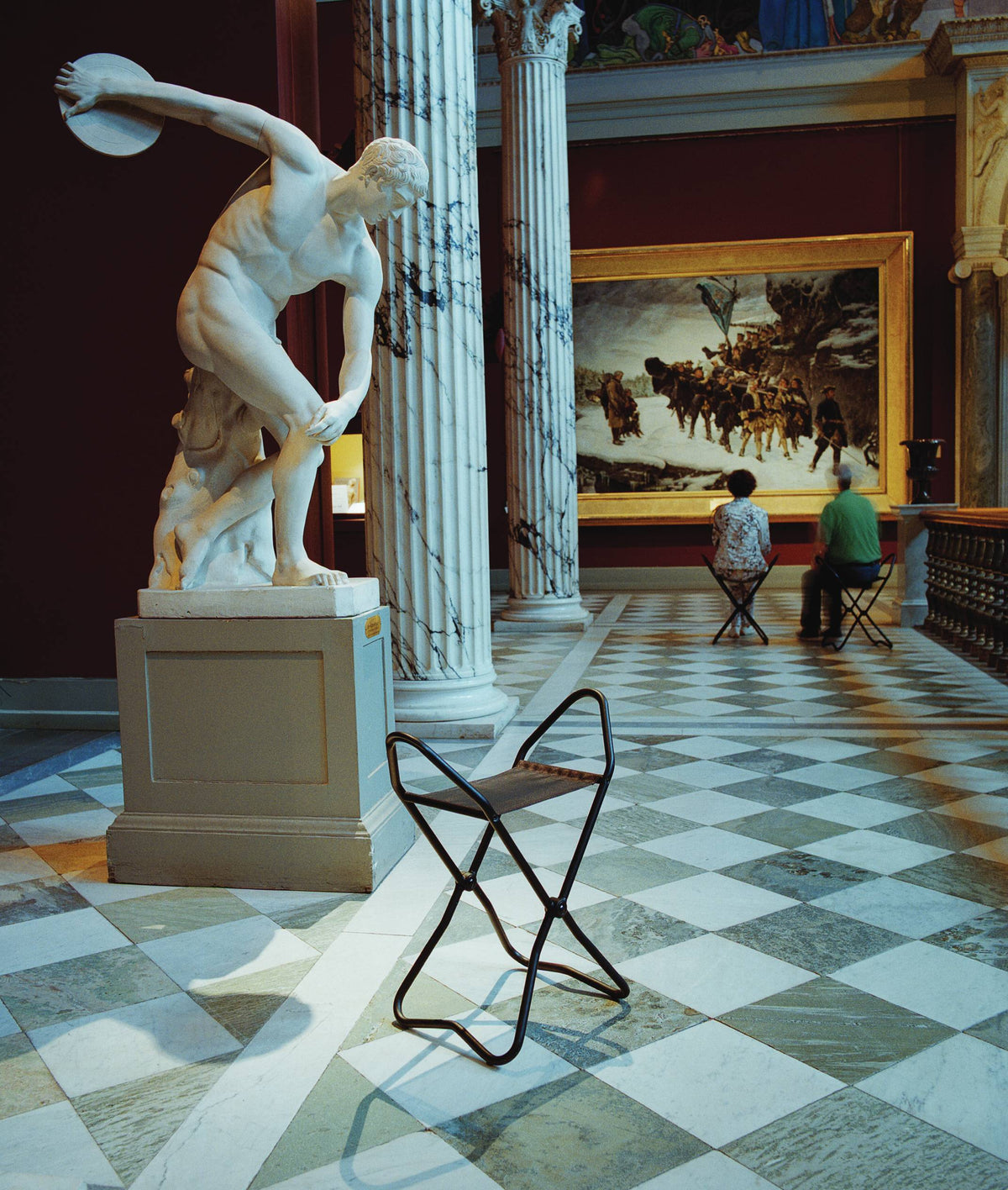
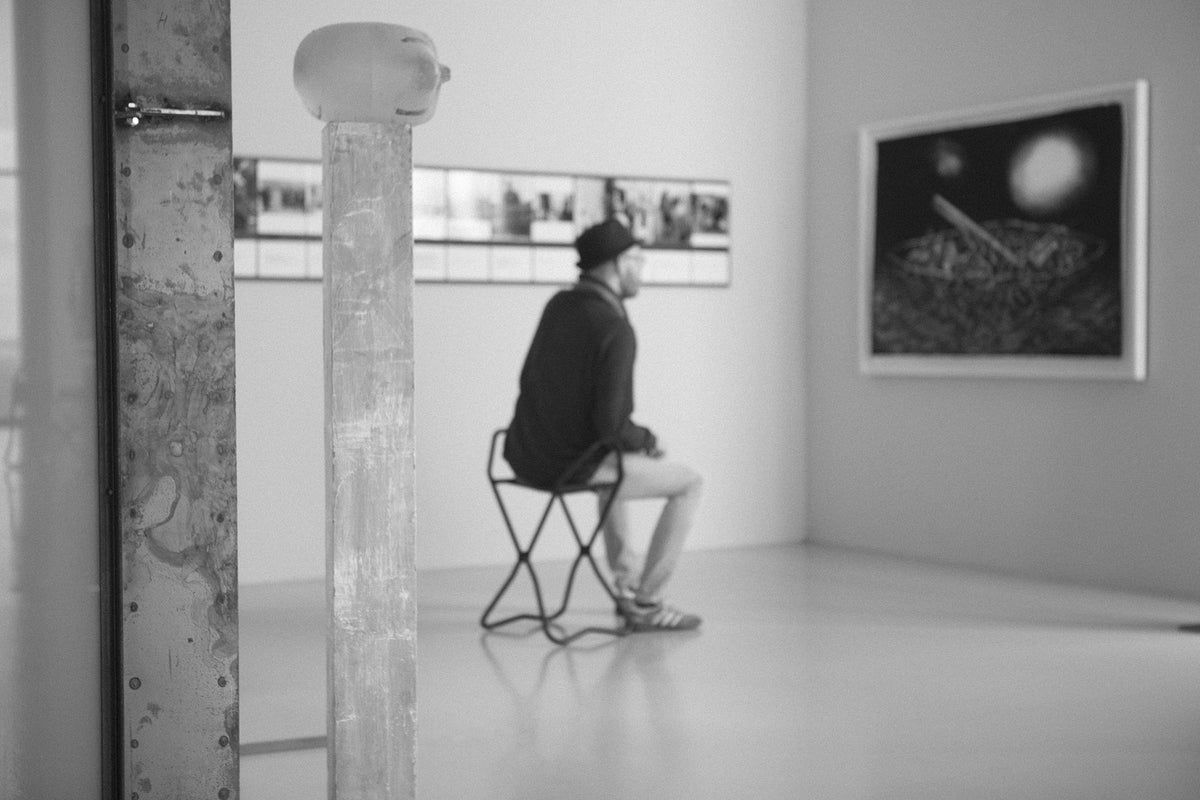
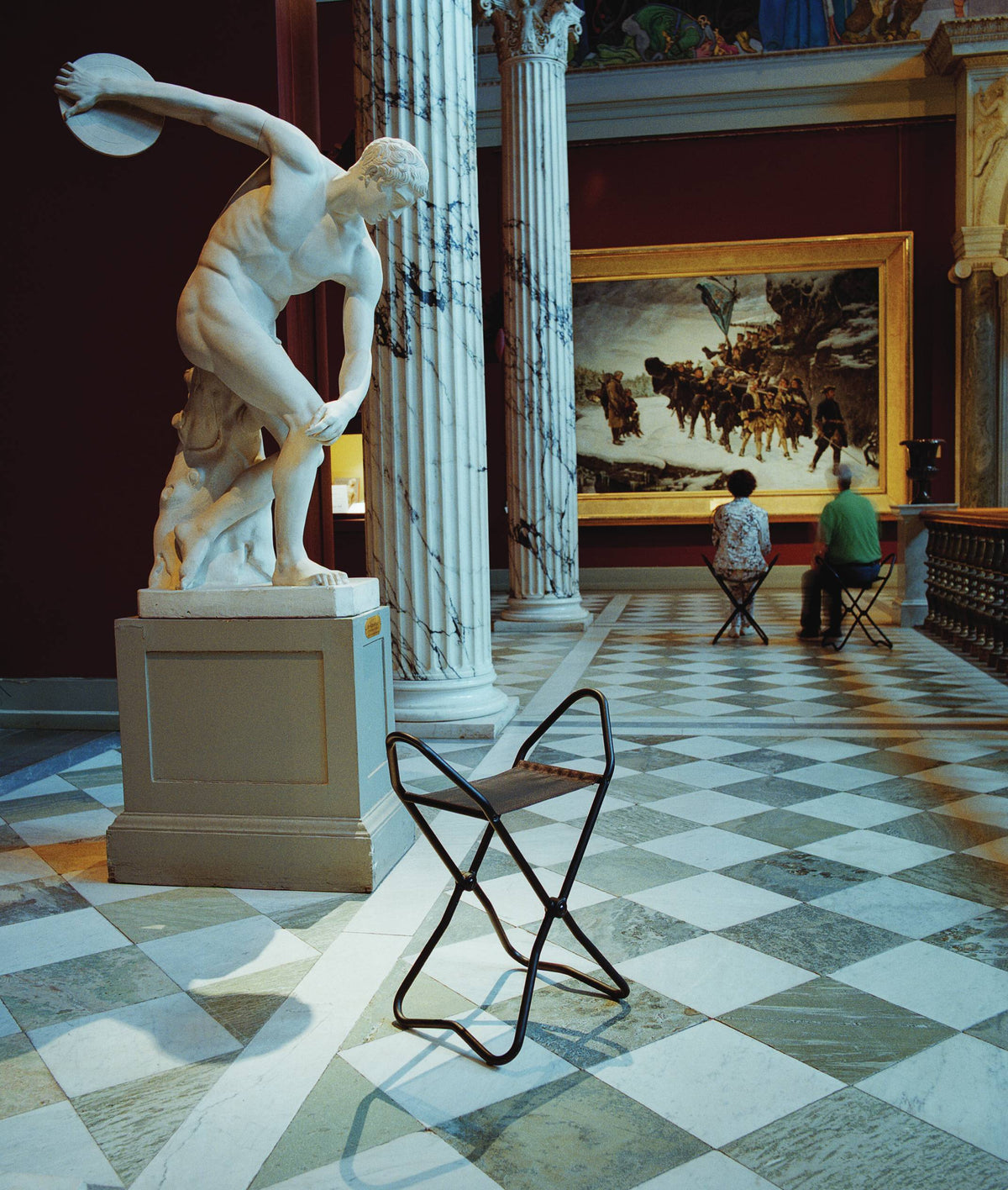
At the Nationalmuseum, folding camping stools were used by visitors who needed to sit during guided tours. But the stools were wobbly, uncomfortable and quickly wore out. Helena Dahlbäck Lutteman, then head of the museum's applied arts department, asked Hans Ehrich at A&E Design to develop a sturdy stool that visitors could carry with them through the exhibition.
1994 – The stool takes shape
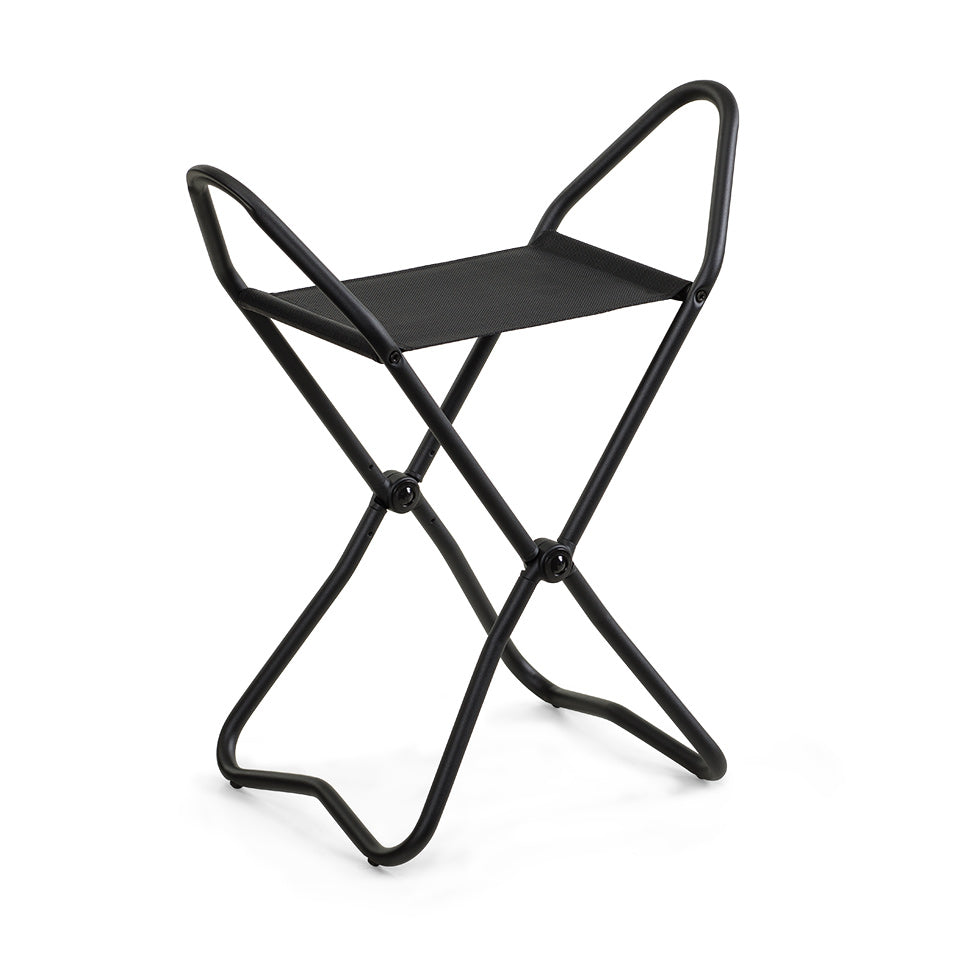
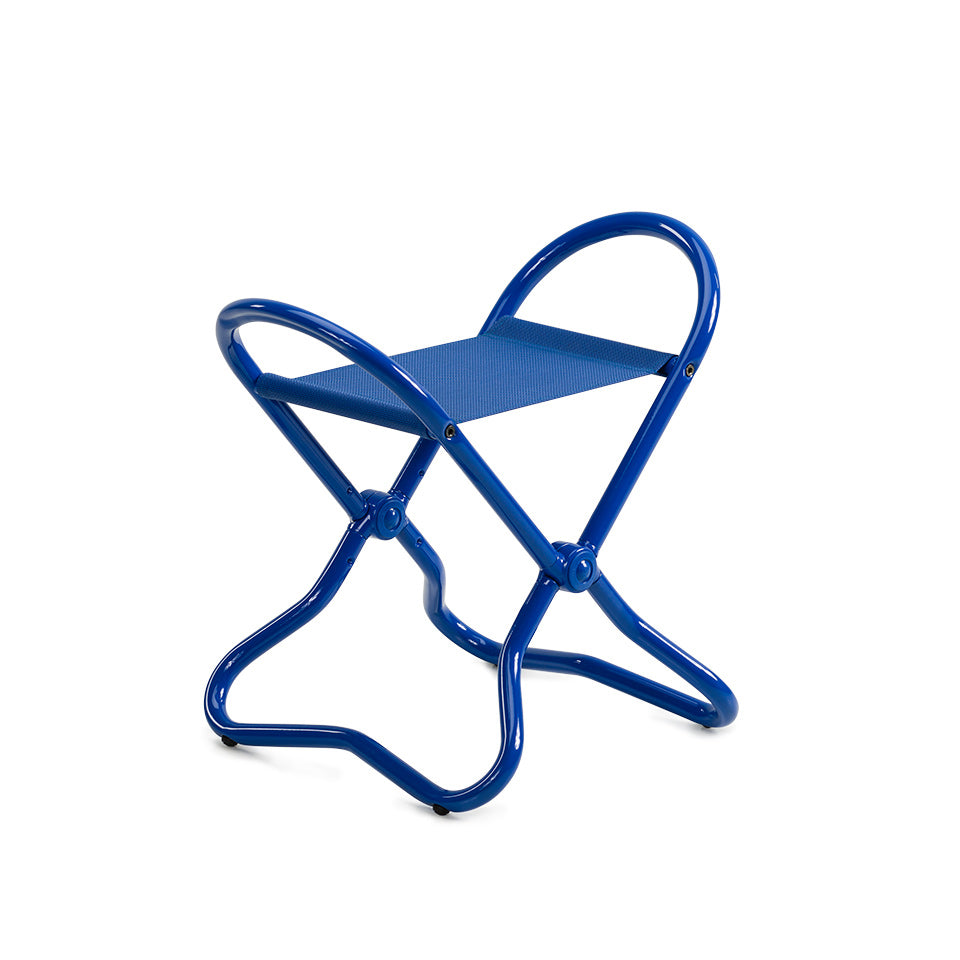
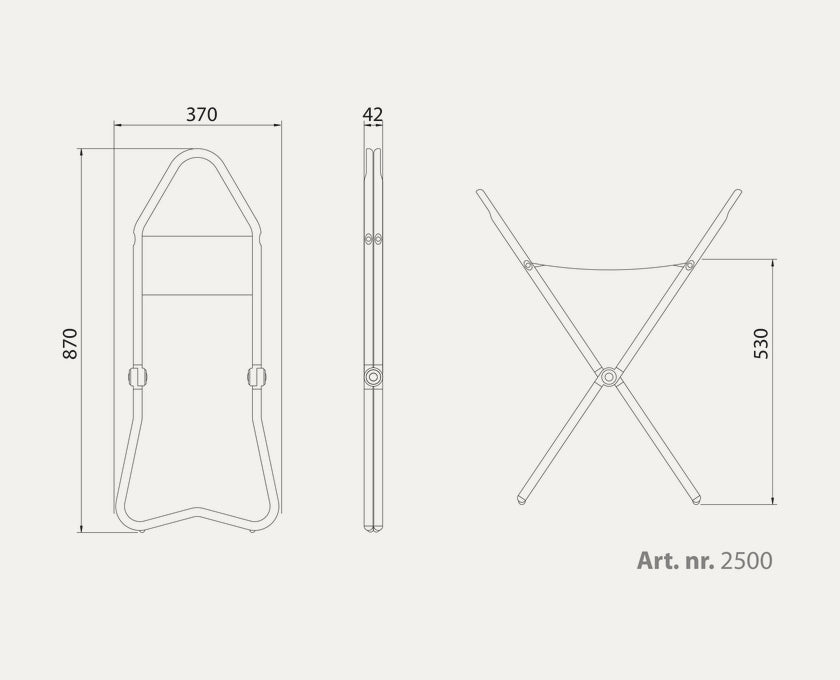
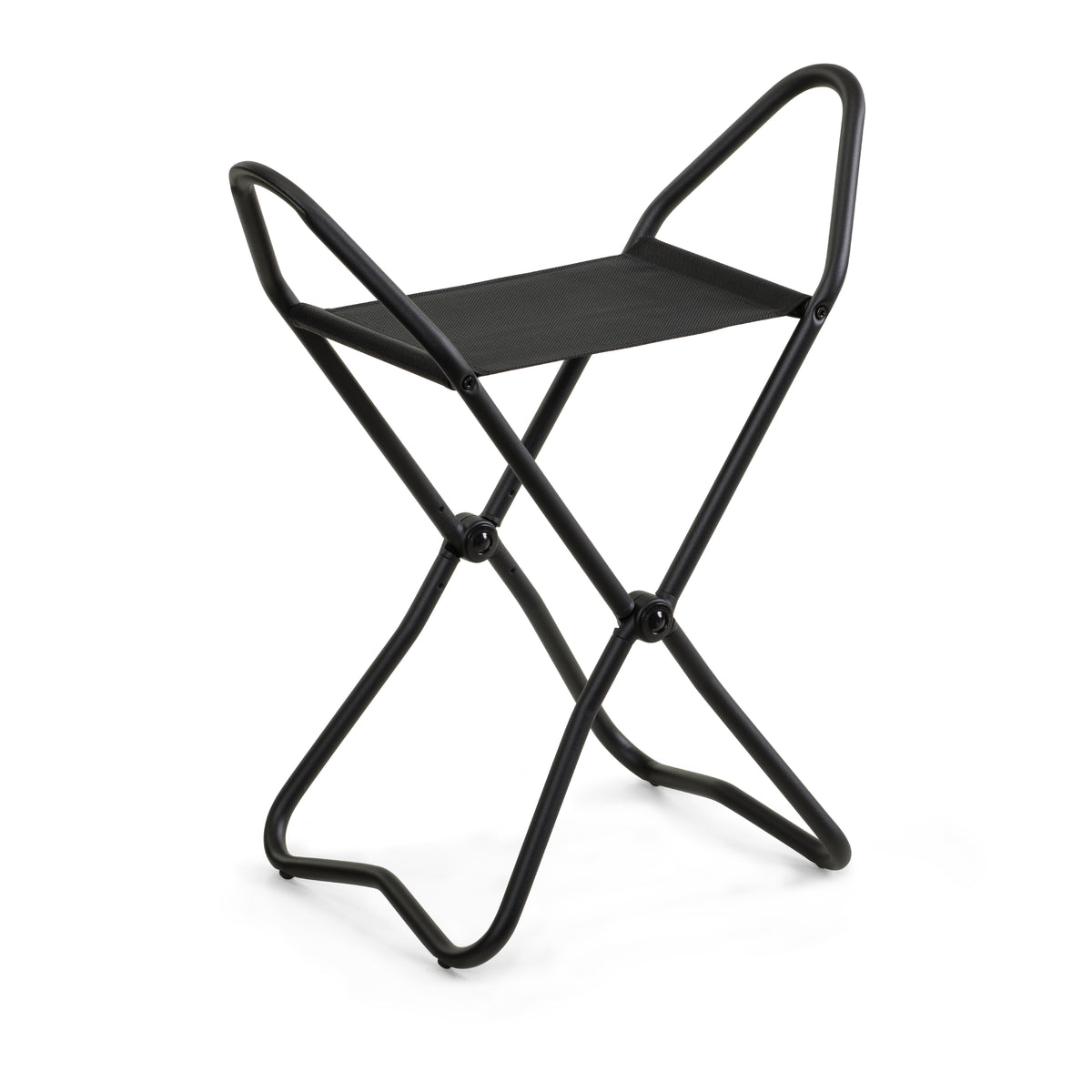
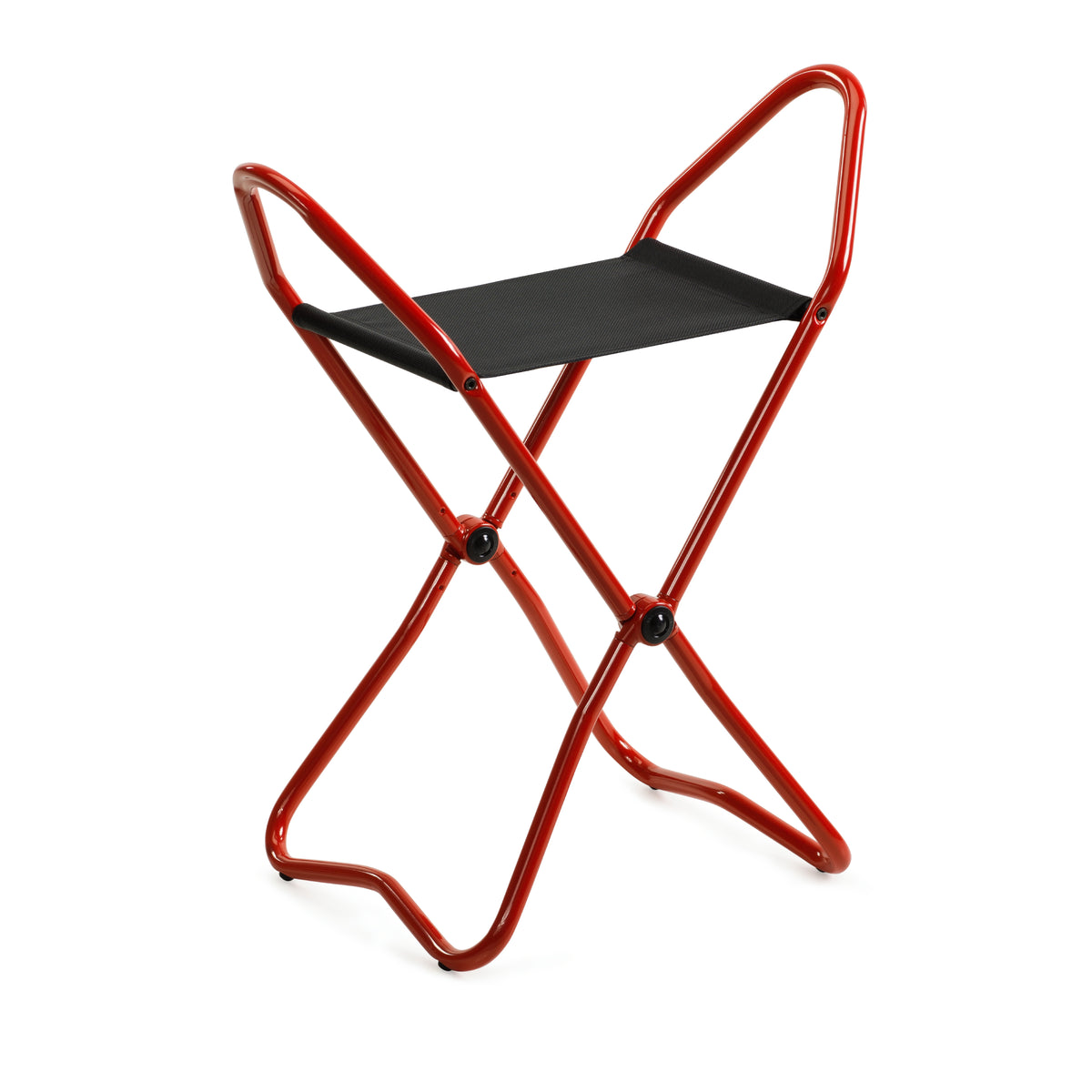
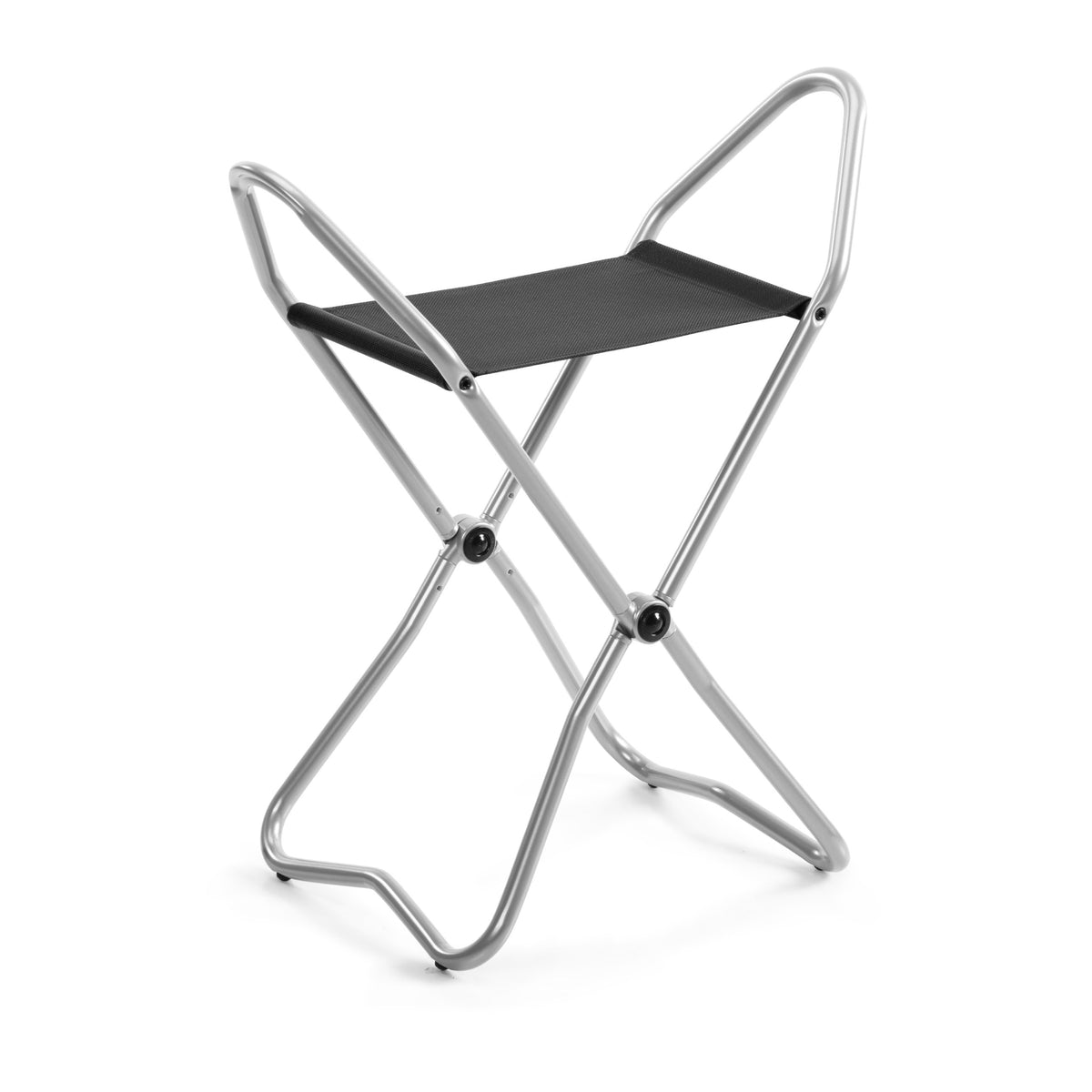
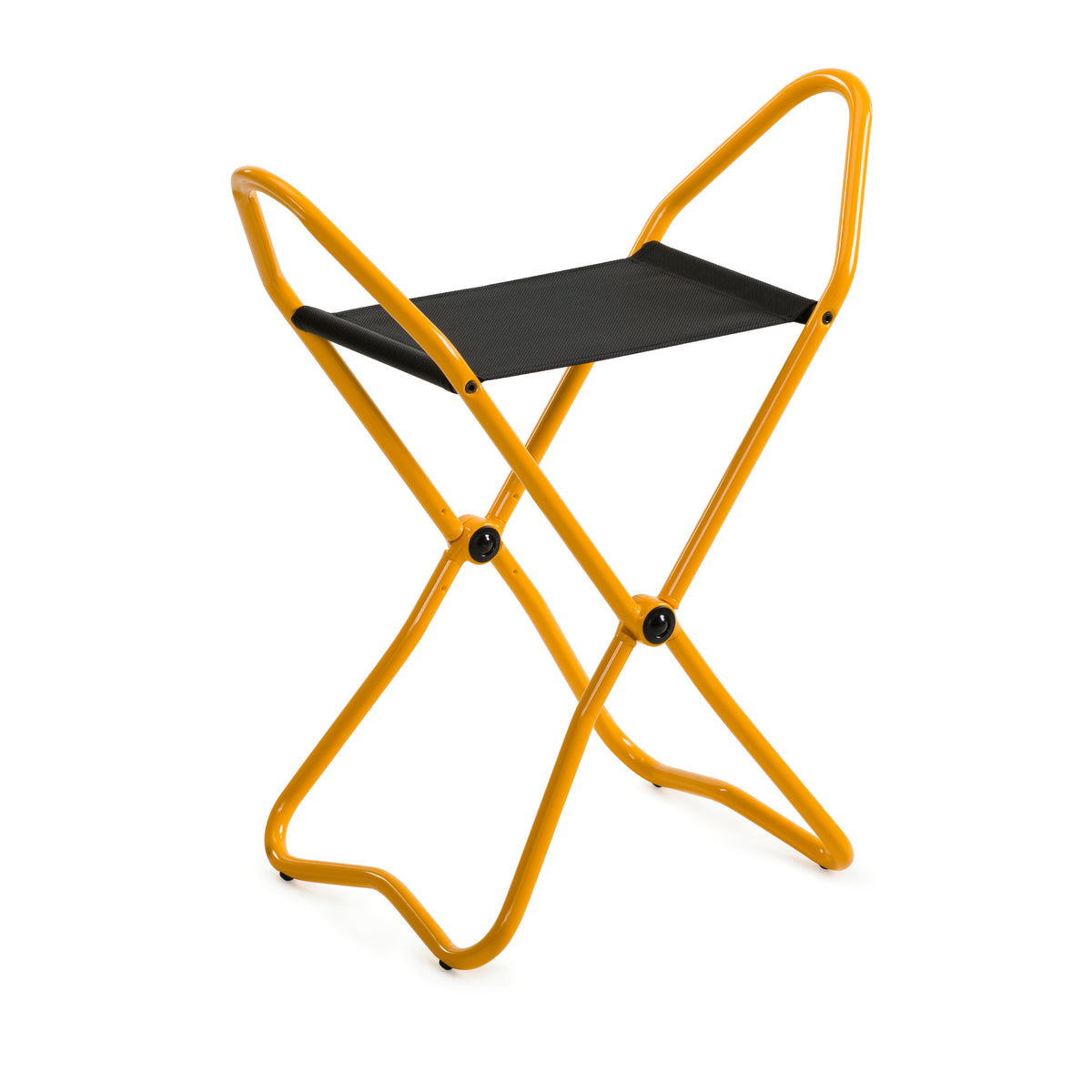
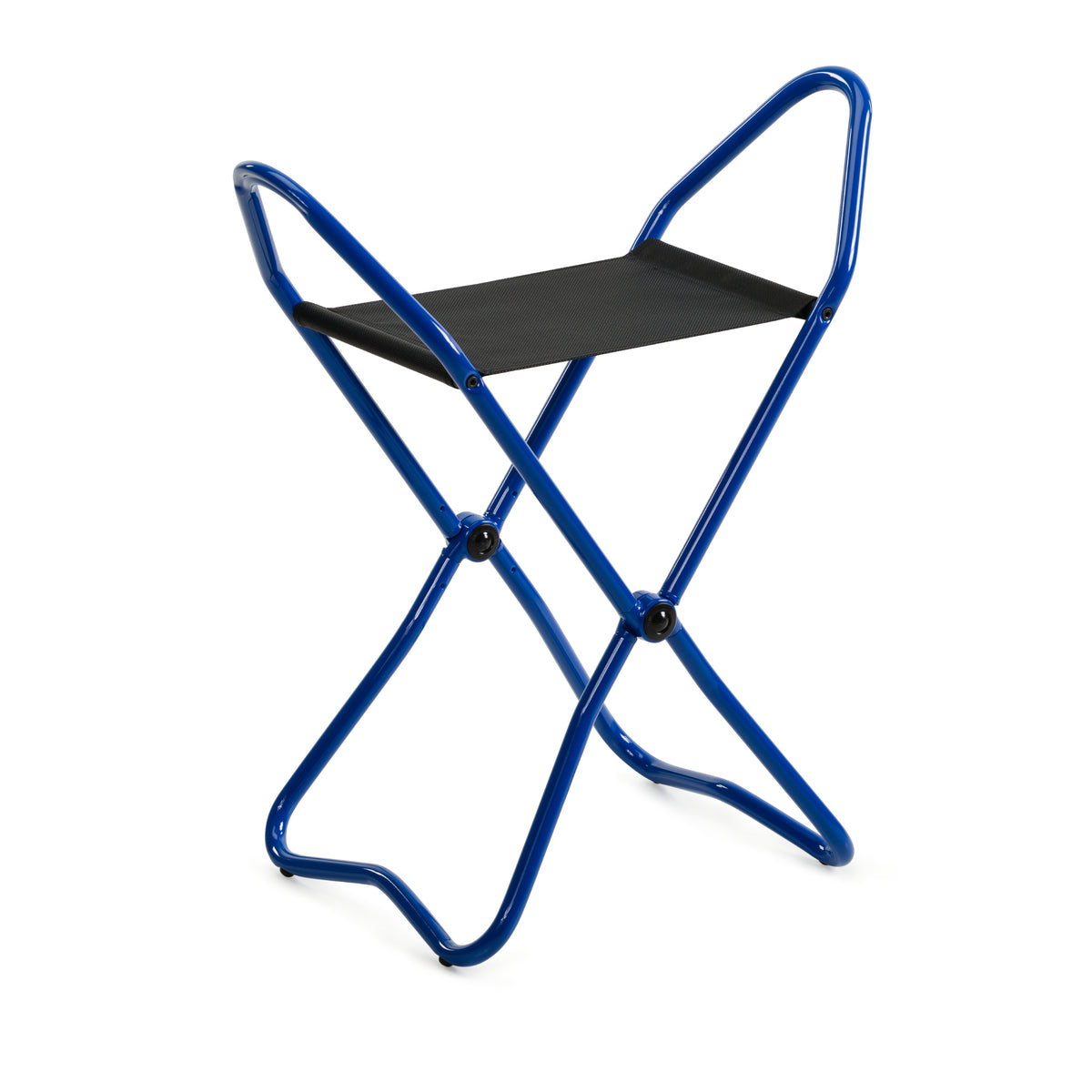
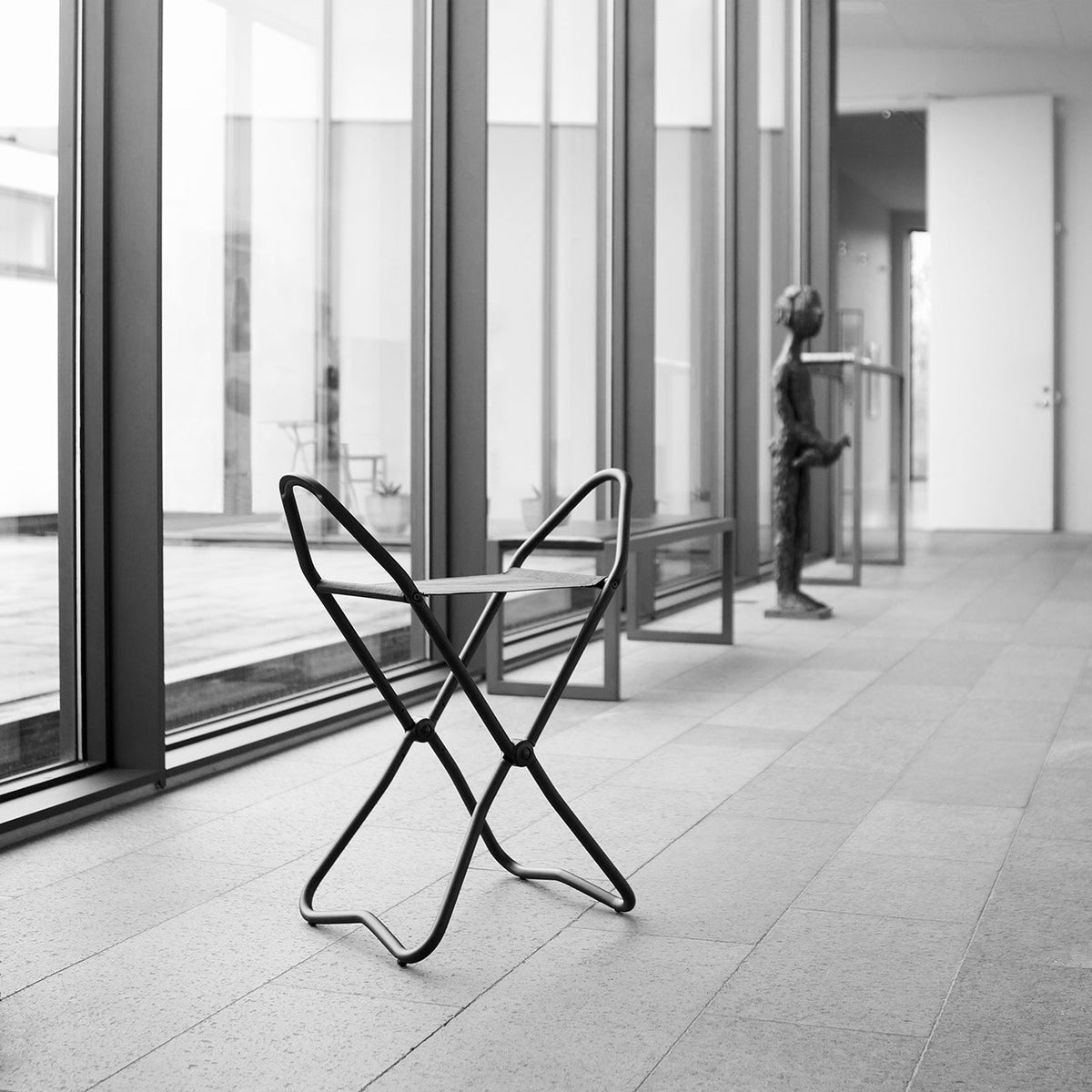
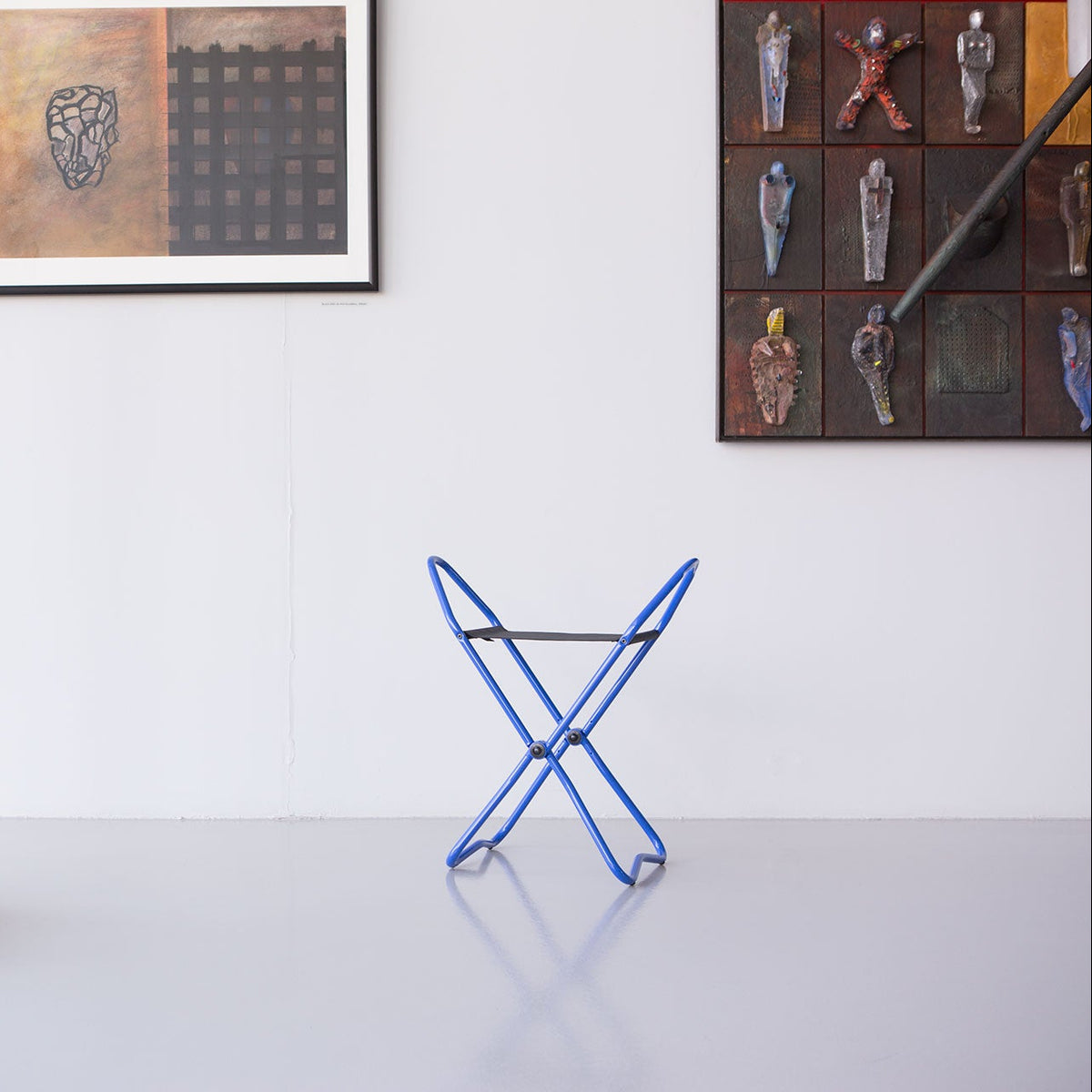
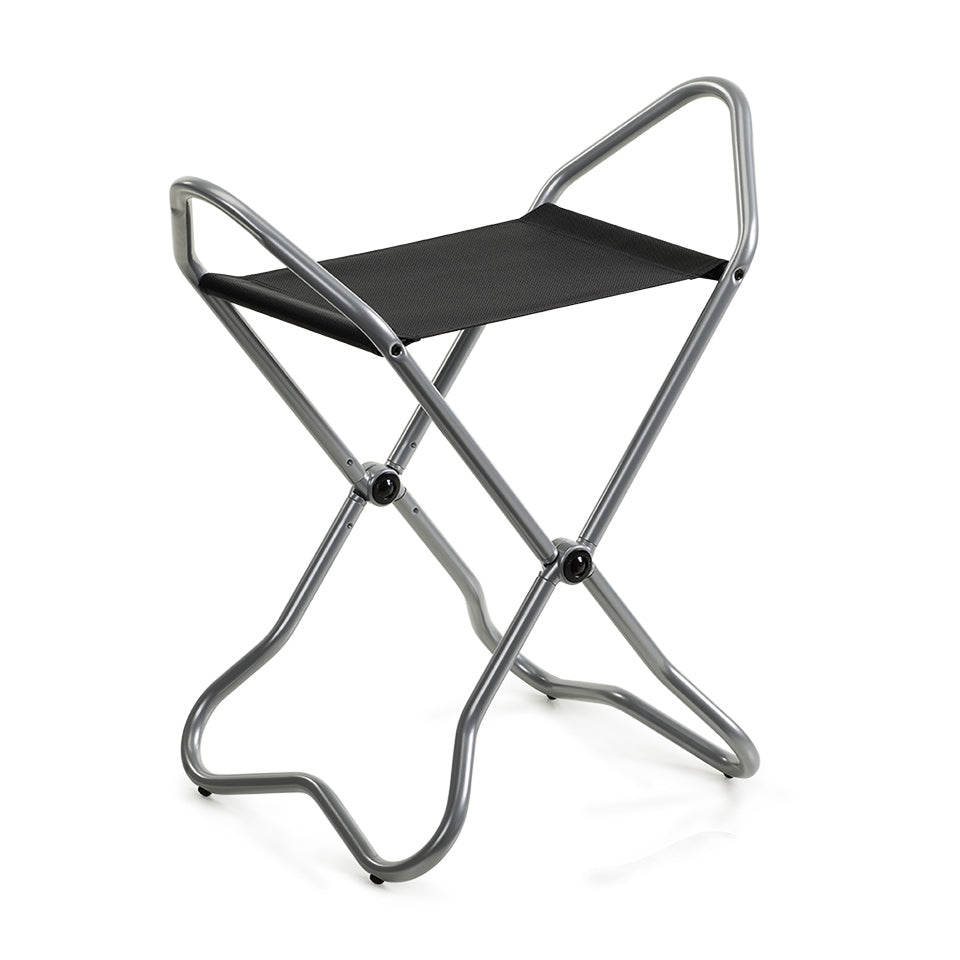
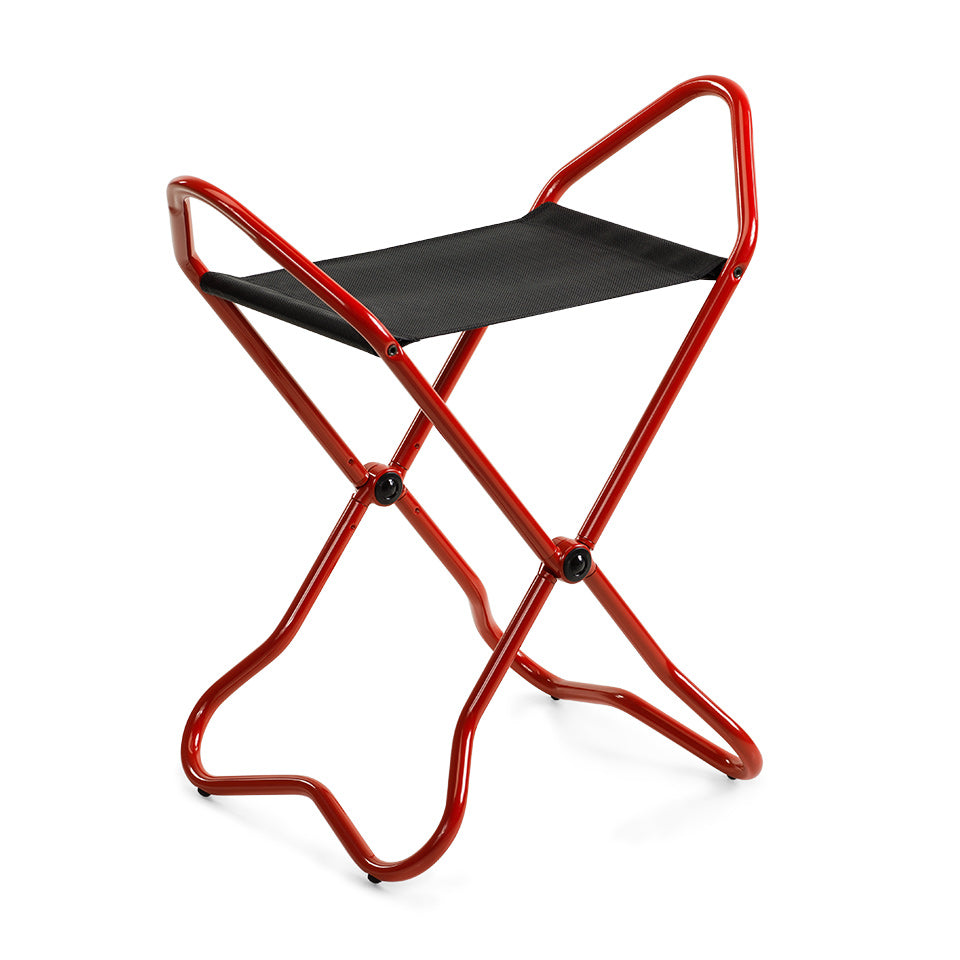
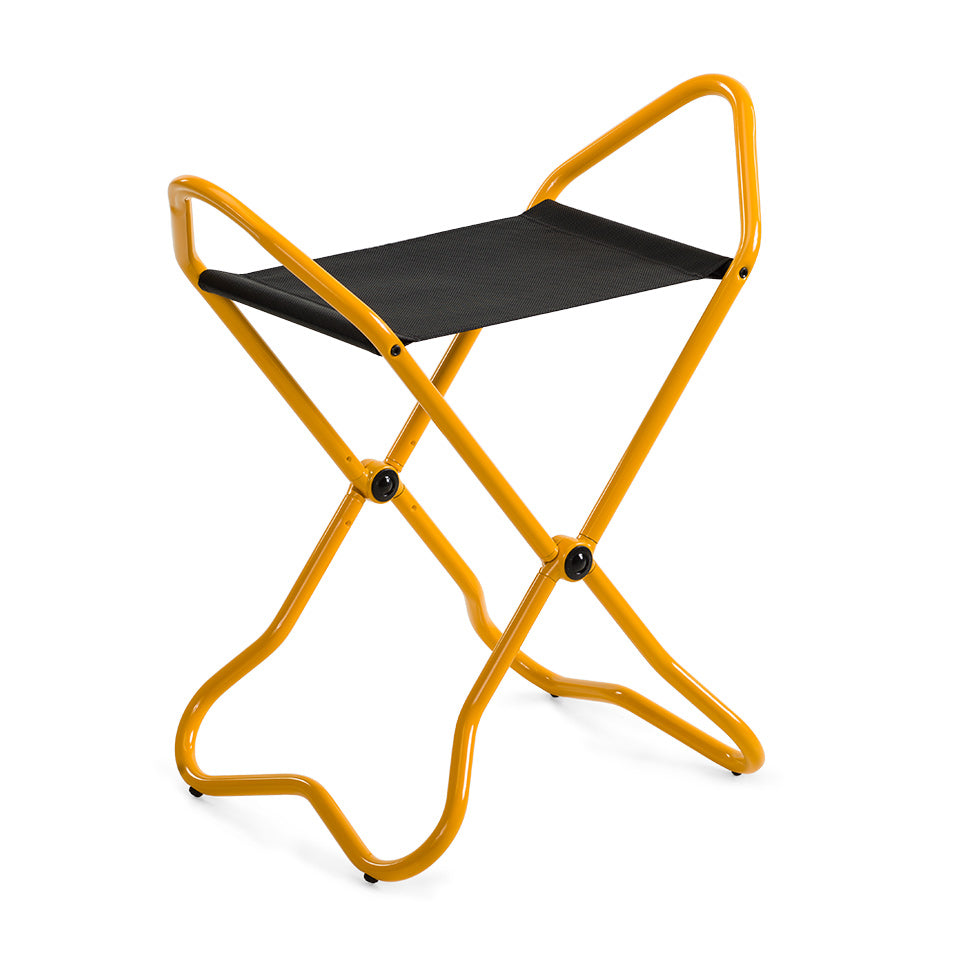
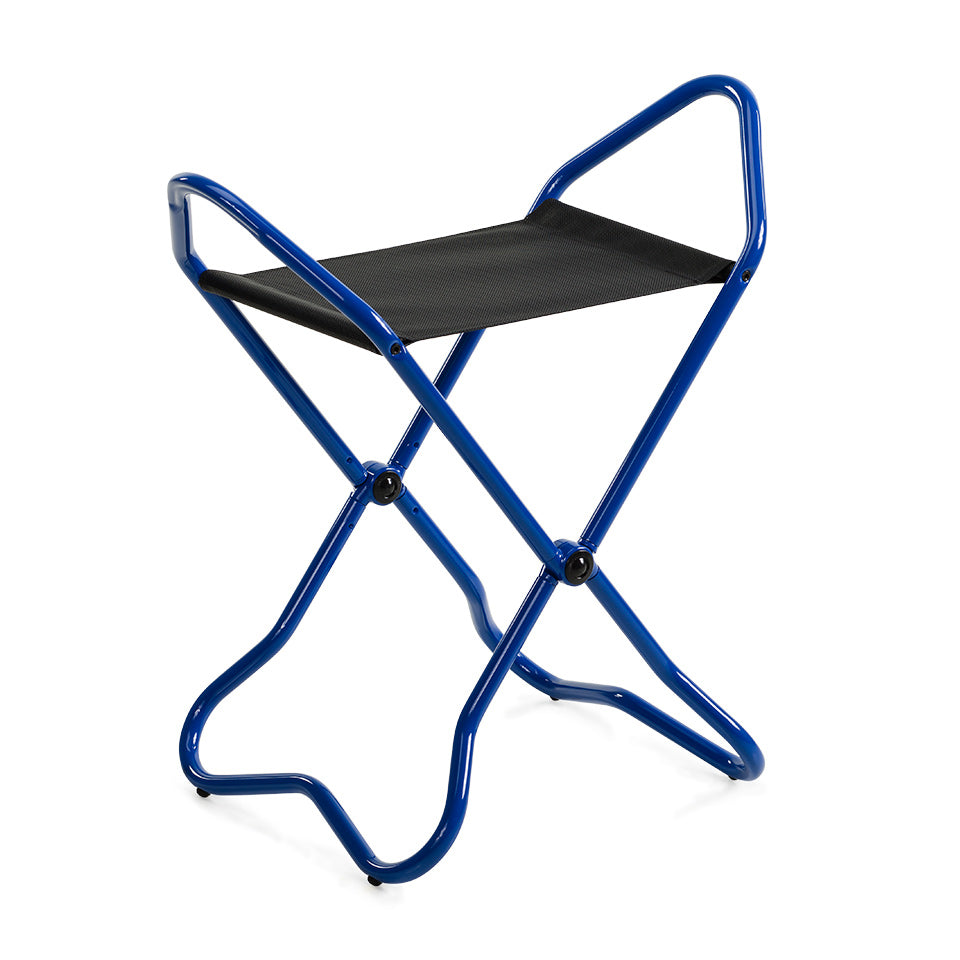
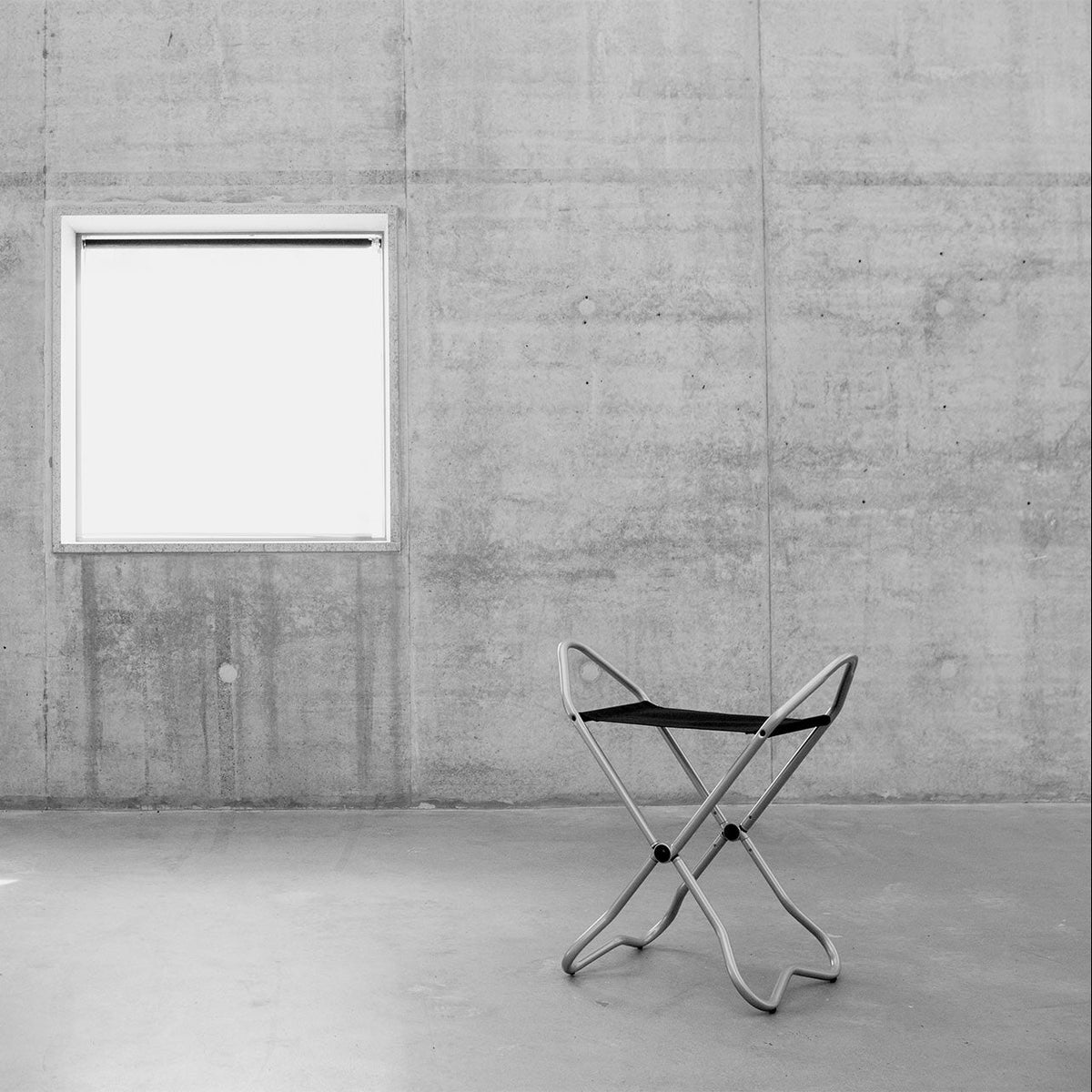
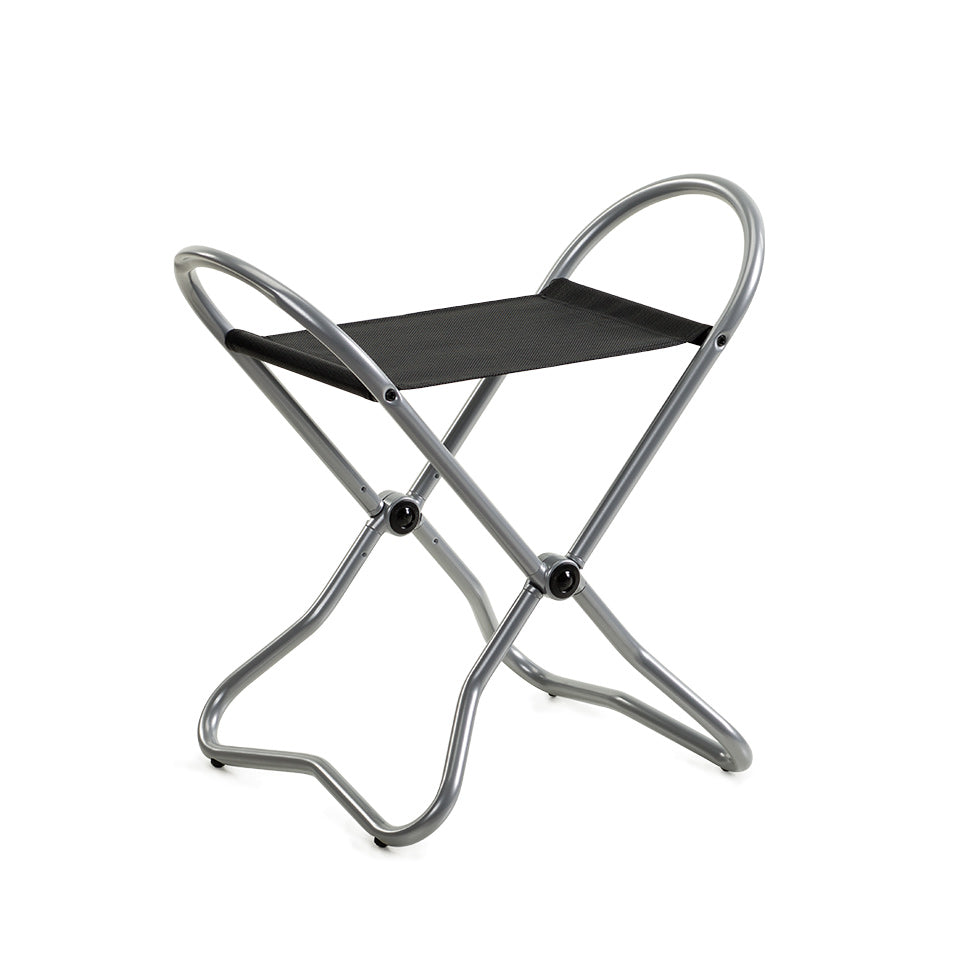
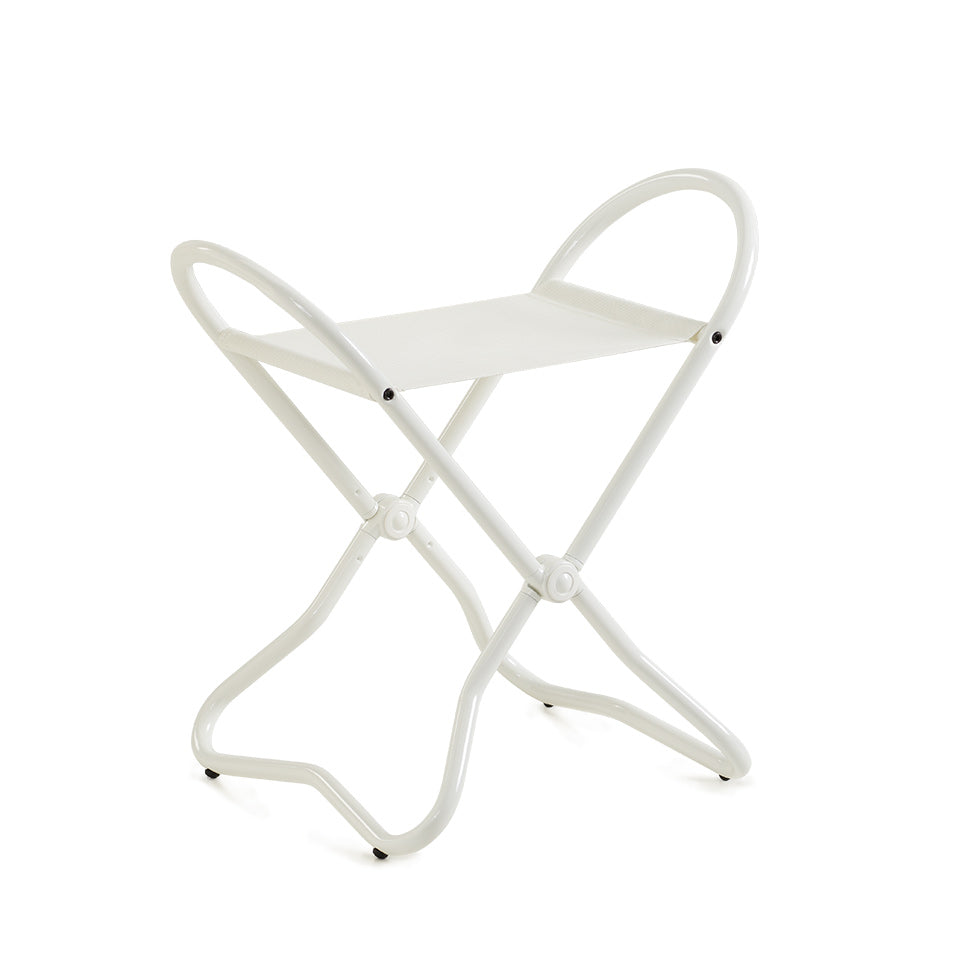
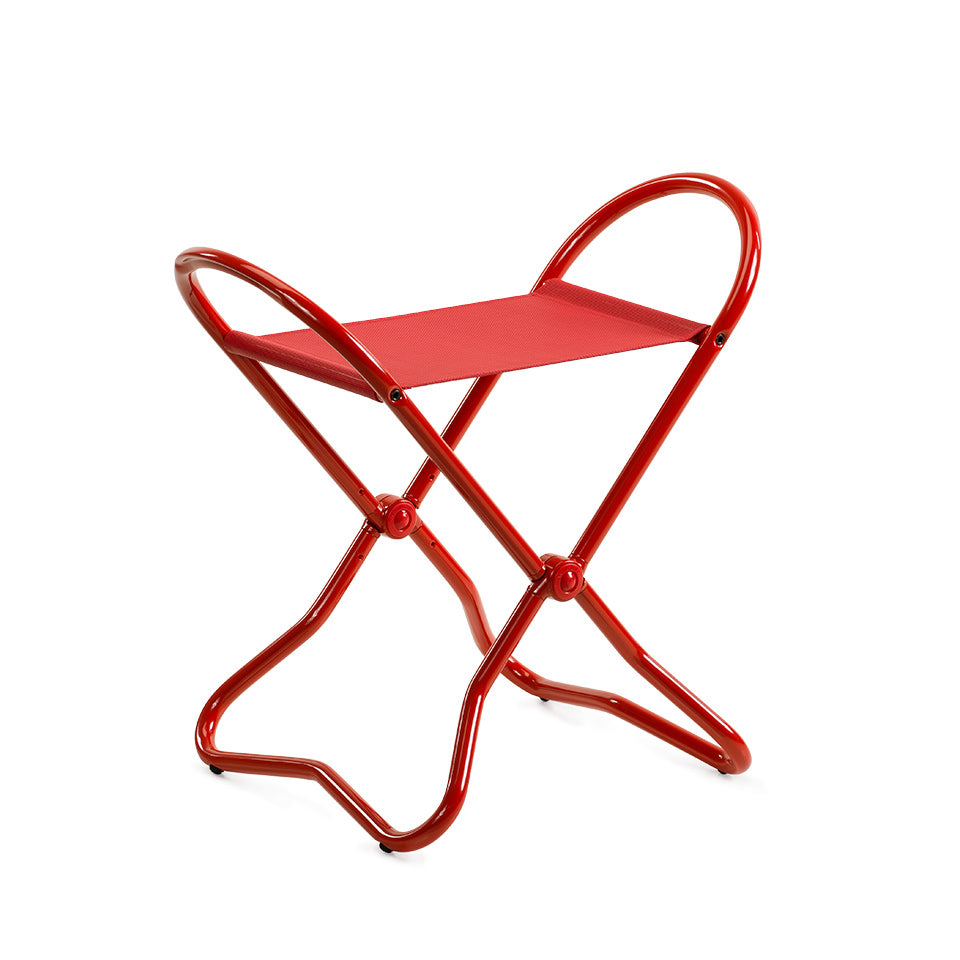
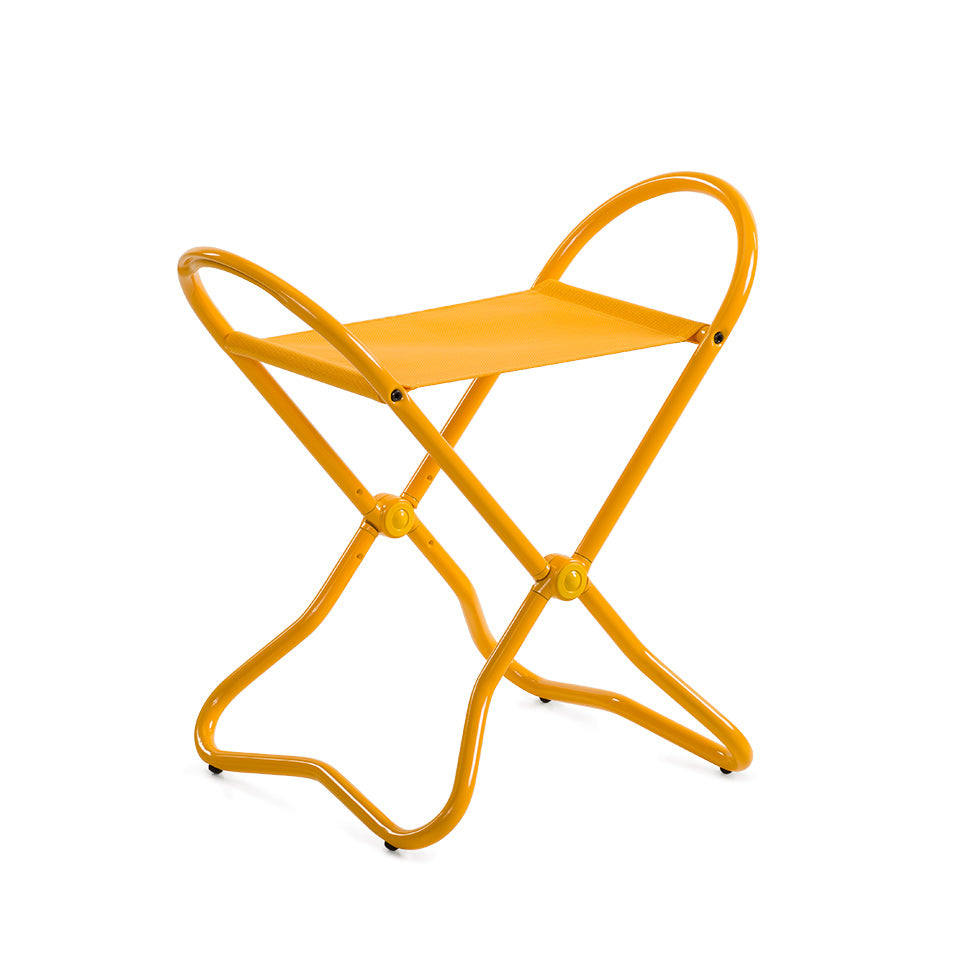
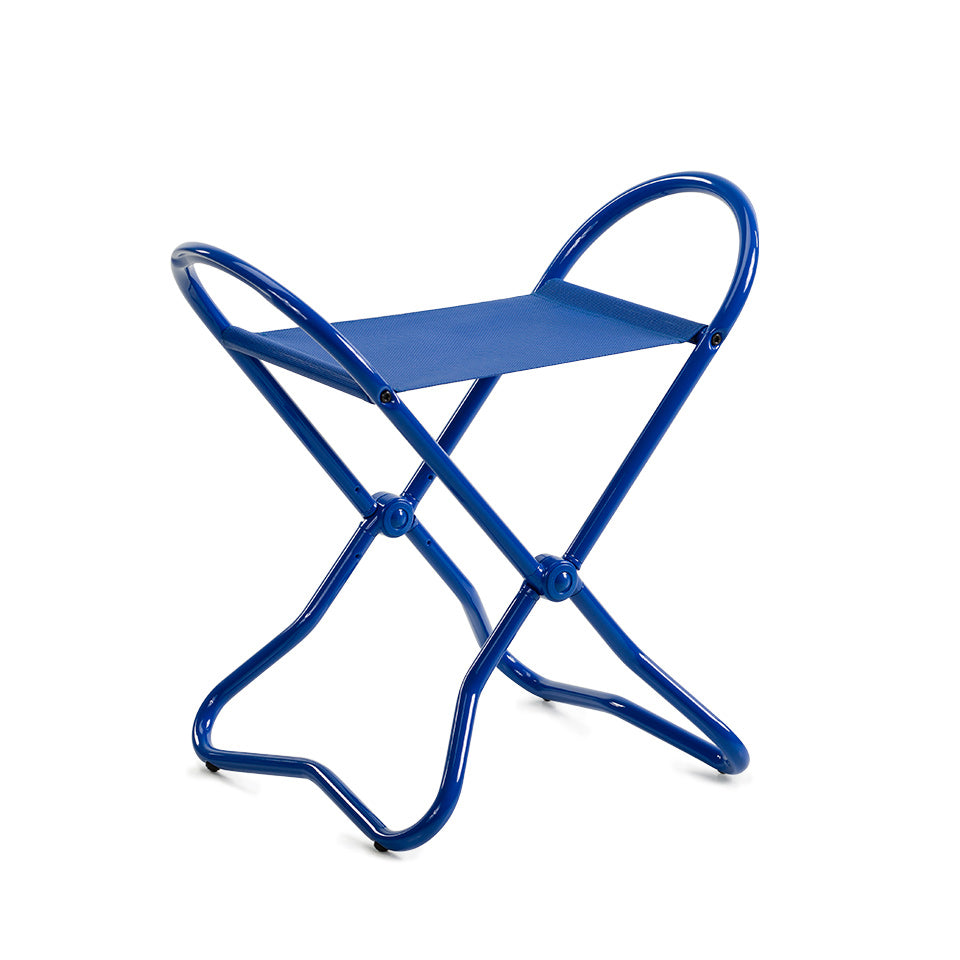
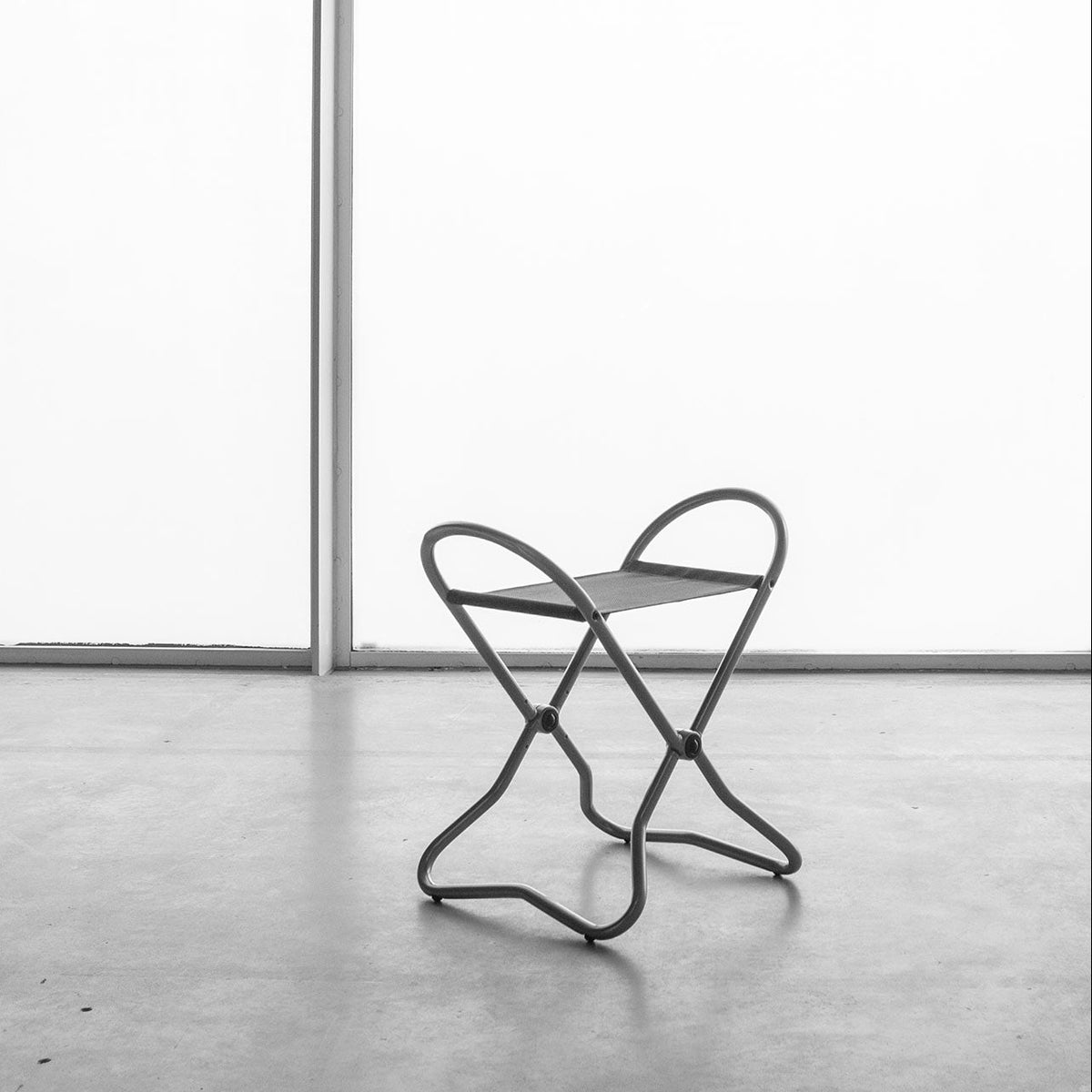
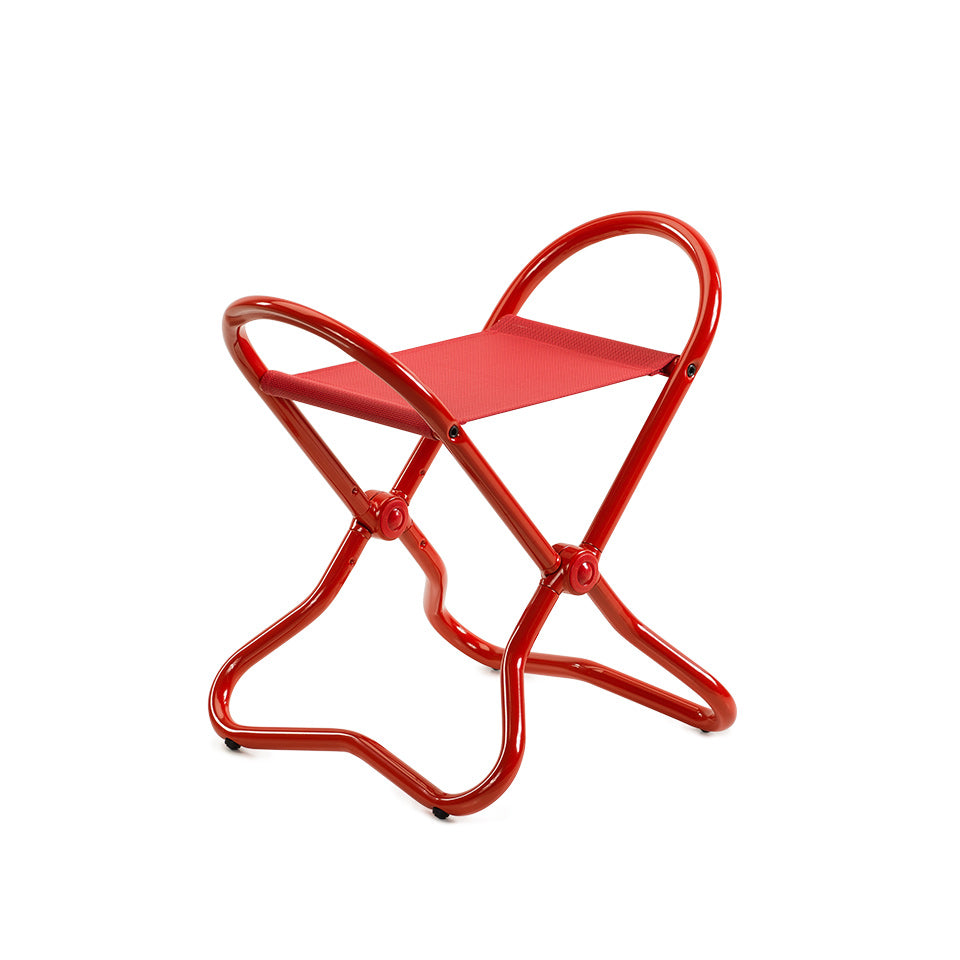
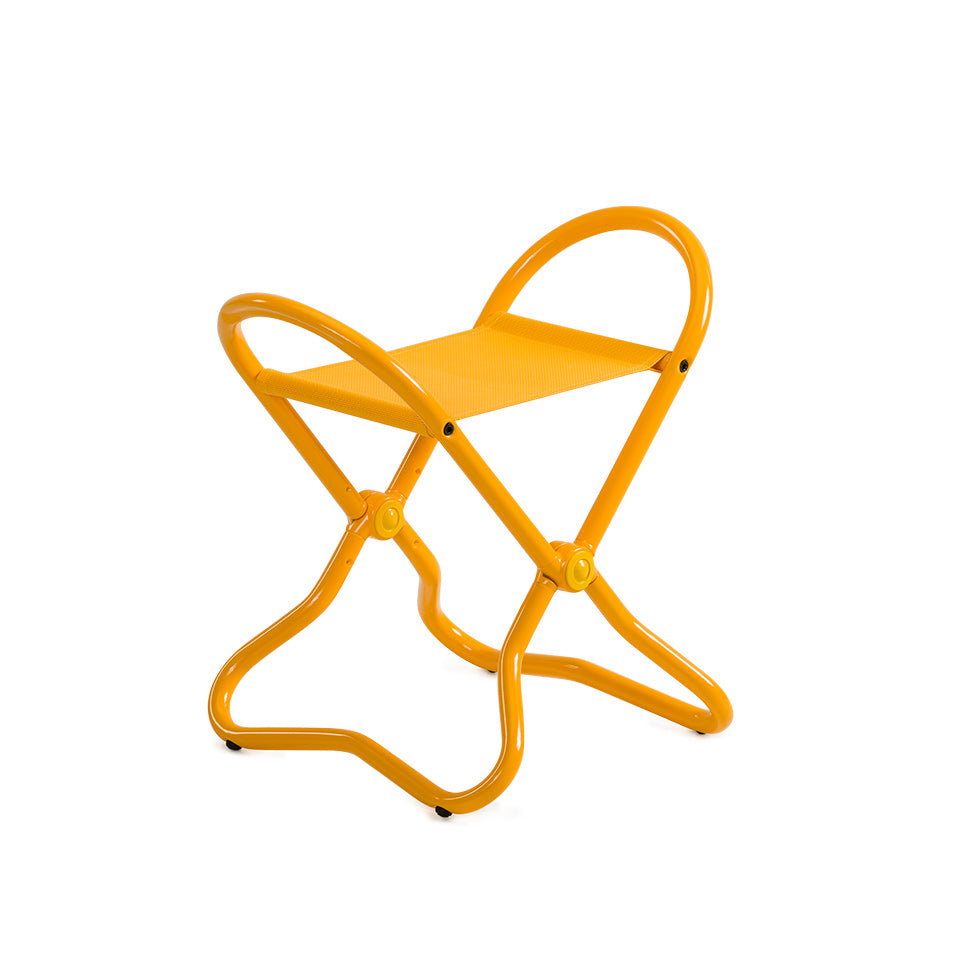
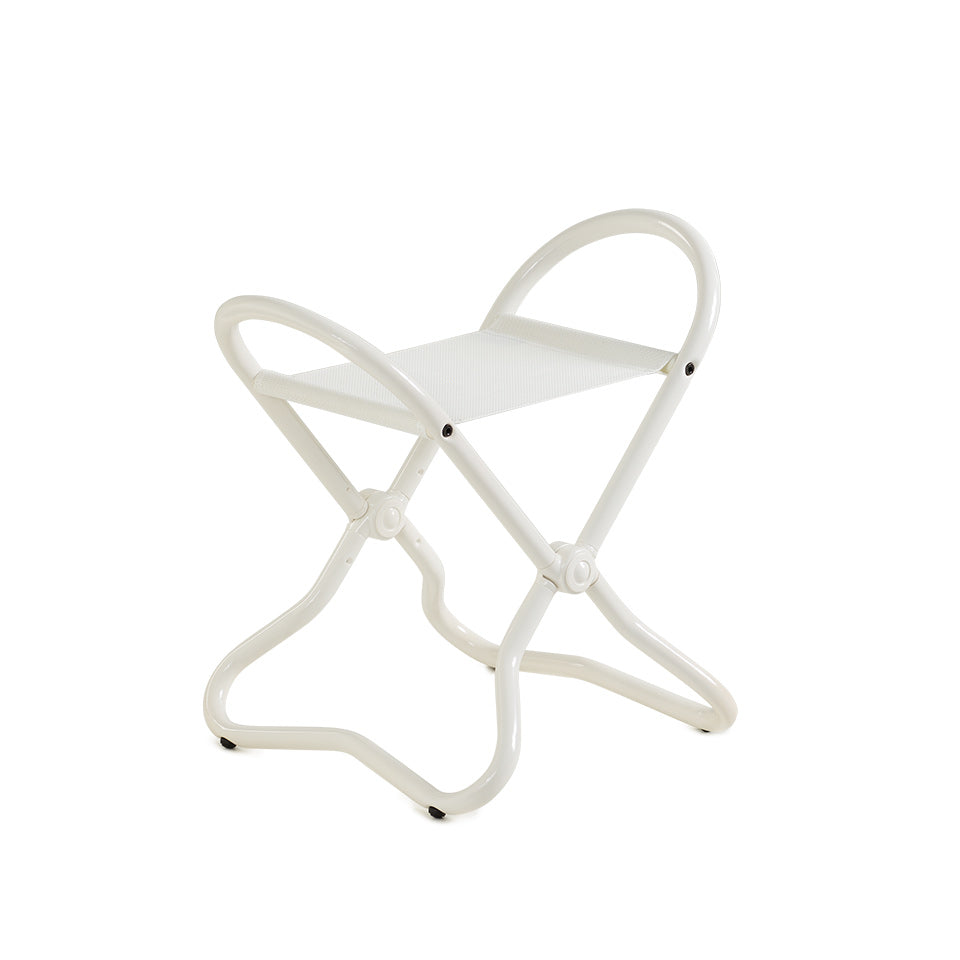
A&E Design developed a design in which every detail met a practical need. The seat was made higher to make it easier to stand up and to give a better view of the objects. Specially developed joints provided stability, and an integrated handle made the stool easy to carry. The prototype was tested by the museum's staff and warmly received. The Nationalmuseum ordered 500 stools.
1995 – STOCKHOLM becomes STOCKHOLM II
The first series for the Nationalmuseum was made in Italy from steel tubing. It turned out unnecessarily heavy, and the choice of material went against the designer's wish for aluminium, to make the stool easy to carry. The designer, Hans Ehrich, got in touch with Lectus Produktion in Mönsterås, who understood the need for low weight and were able to make the product in aluminium.
The frame was redesigned in aluminium and the weight came down to just 1.7 kg. The new version was named STOCKHOLM II, to distinguish it from the first version in steel. Since 1995, all production has taken place in Mönsterås, Sweden. The design was awarded Excellent Swedish Design in 1995.
1997 – Red Dot Best of the Best & Highest Design Quality
At the international design competition Design Innovations in Essen, STOCKHOLM II was awarded the Red Dot for Highest Design Quality, with the distinction Best of the Best, competing against products from all over the world.
2004 – A family of folding stools
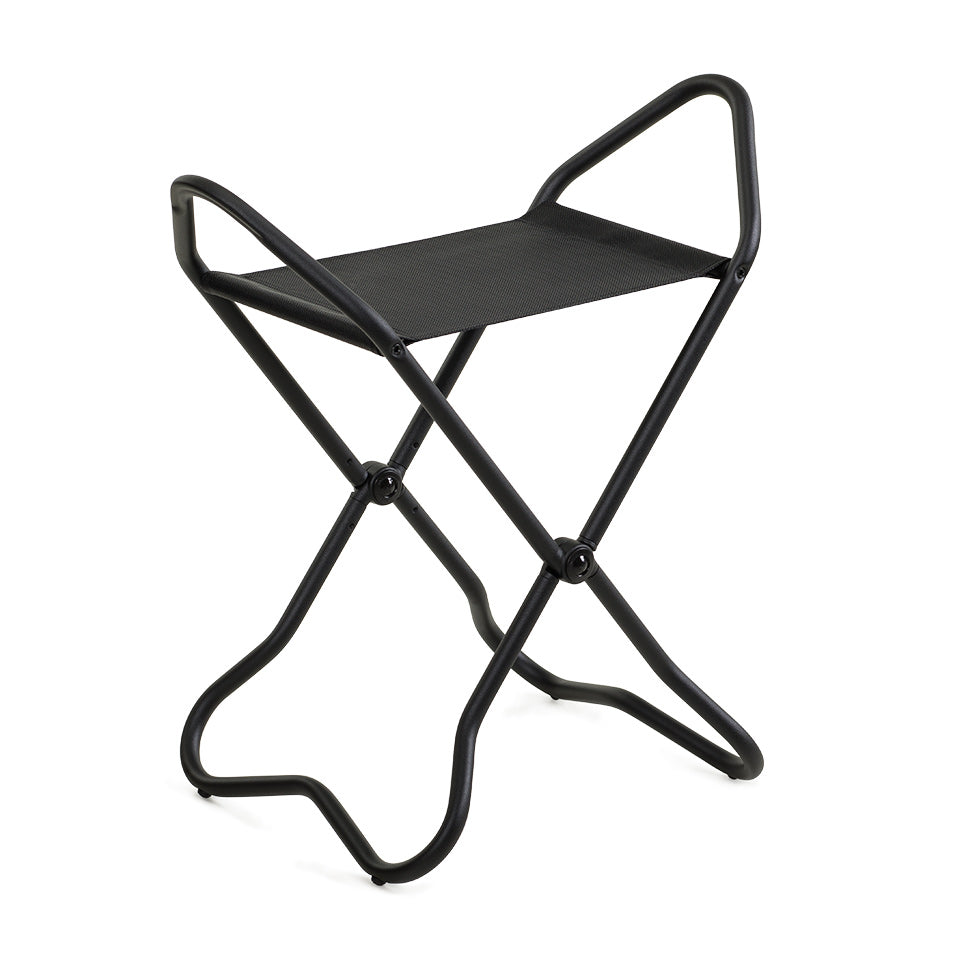
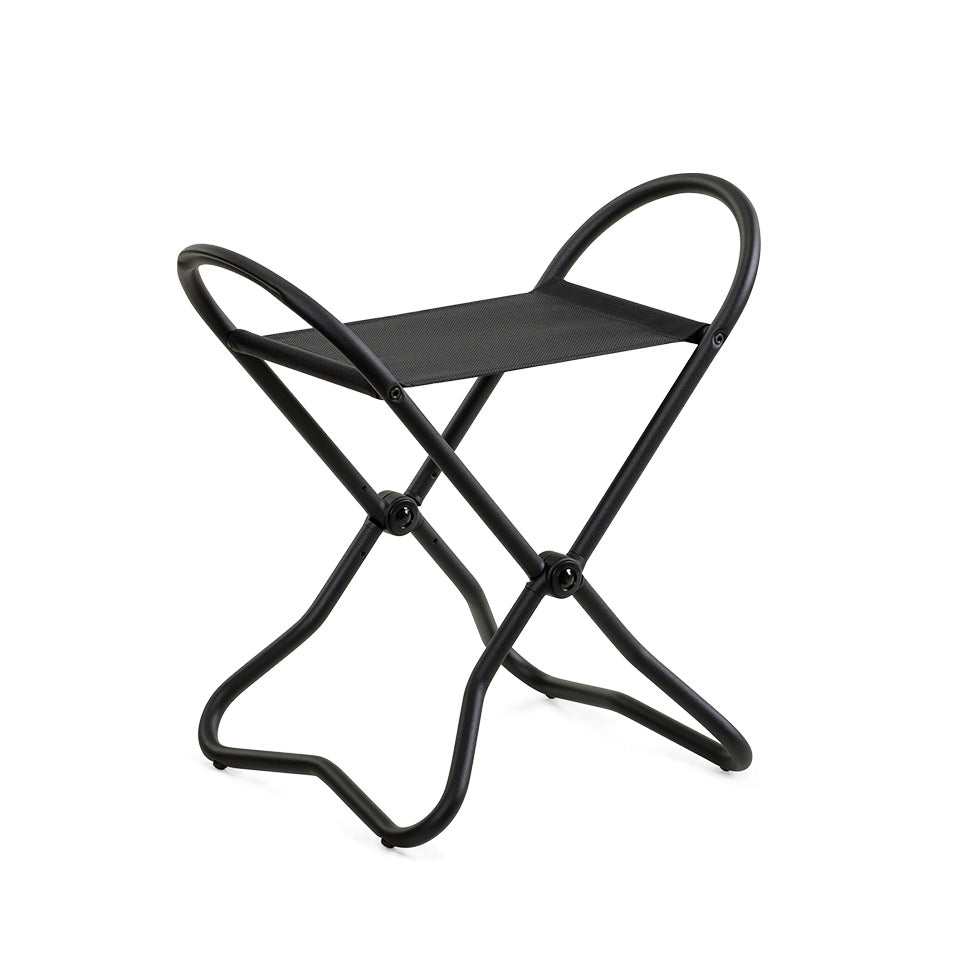
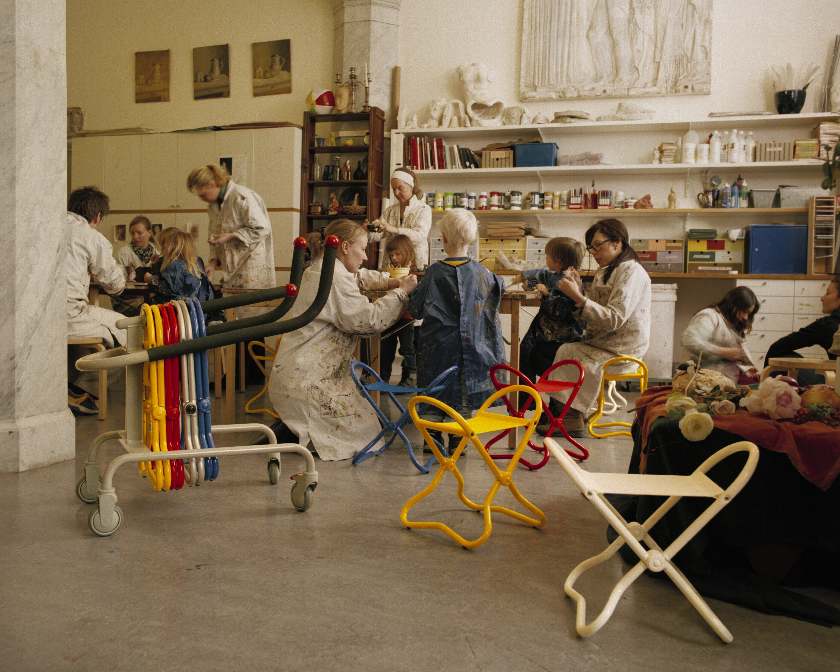
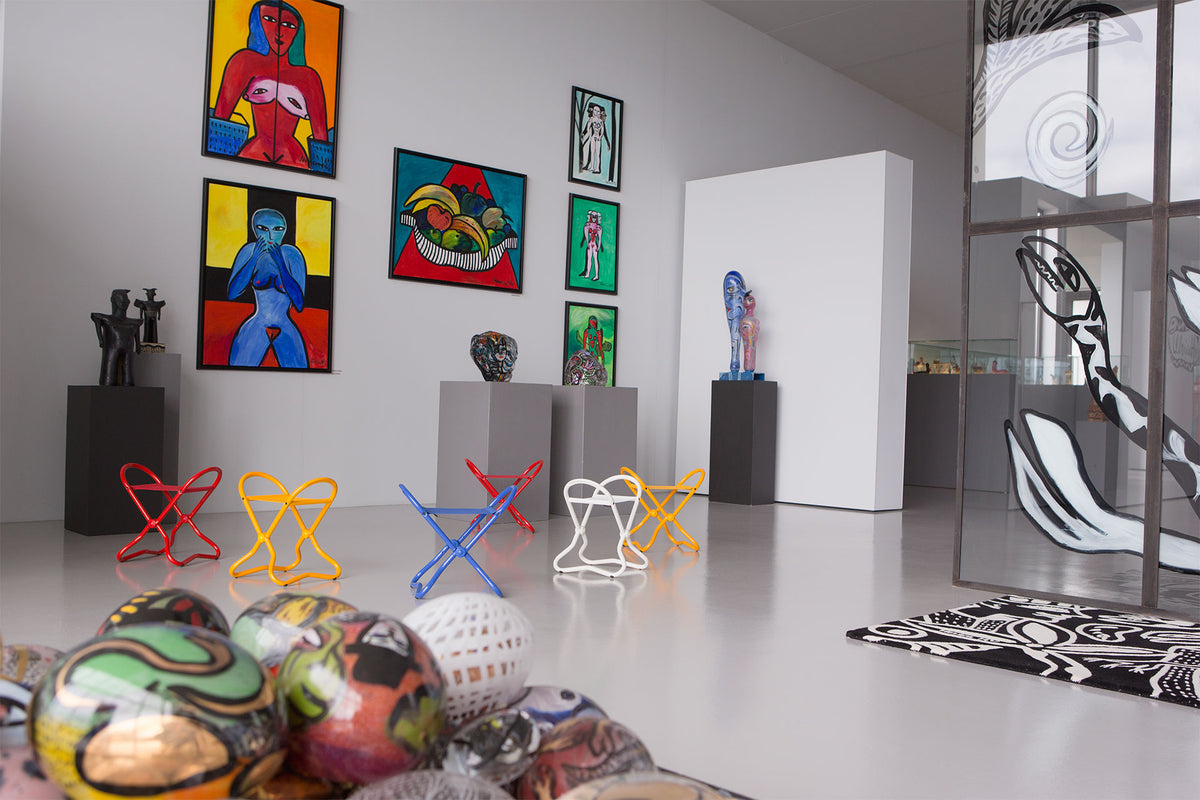
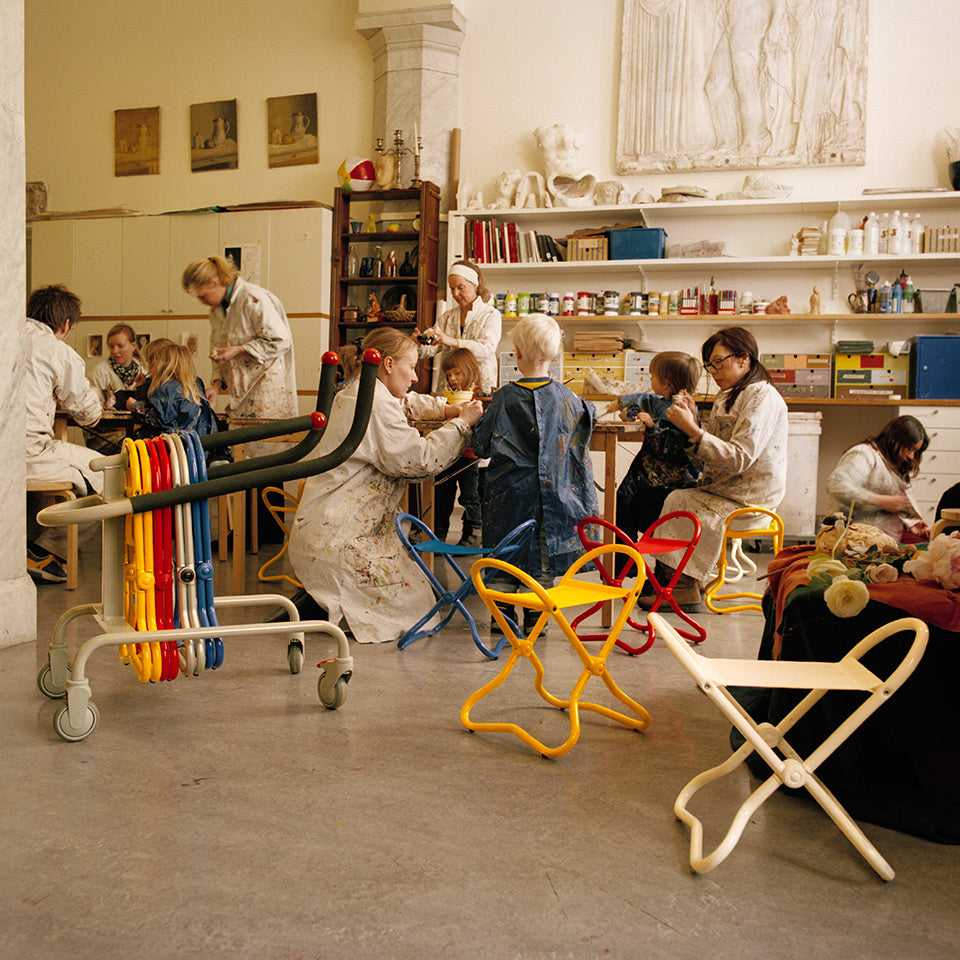
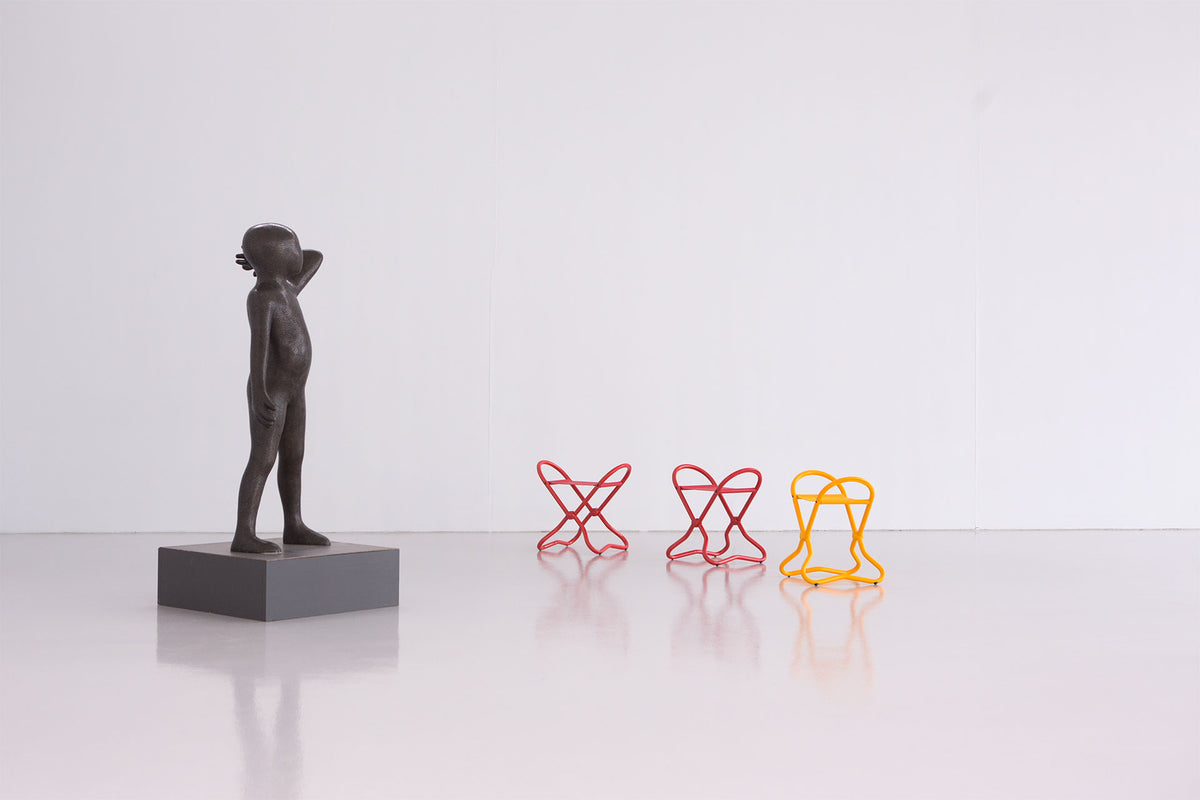
A&E Design developed the model family for more users and settings. SNUPI is a smaller model made for children, and CHICAGO has a standard seat height. The family also gained NEW YORK, with a wider seat, developed for MoMA and the American market. All models share the same core: a stable folding stool that is light to carry, simple to use and easy to store.
2011 – MoMA's permanent collection
STOCKHOLM II was acquired for the permanent design collection of the Museum of Modern Art in New York, together with the transport trolley. The following year it was shown in the exhibition Born out of Necessity (2012–13), about design created to meet a practical need.
See STOCKHOLM II in MoMA's collection ↗
Today – 2,500+ museums
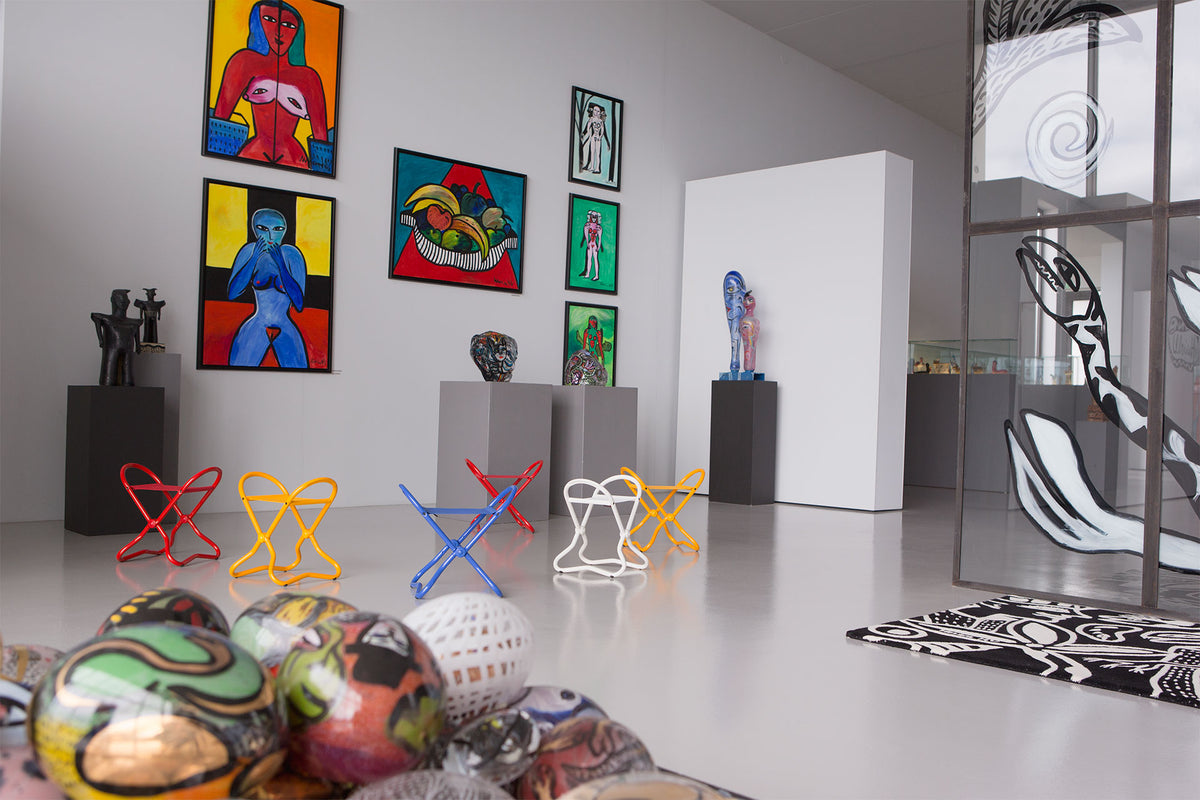
More than thirty years after the first sketches, the construction is the same. The model family has grown, but the basic idea is unchanged: a stable, light seat that the visitor can carry through the exhibition.
STOCKHOLM II is today found in more than 2,500 museums and exhibition venues in over 50 countries, from the Nationalmuseum to MoMA, and more than 100,000 stools have been made. Production still takes place at Lectus Produktion in Mönsterås, from bending the aluminium tubes to the assembly of the finished stool.
Read more
The full story of the stool, from the first sketches for the Nationalmuseum to today's four models, can be found in Kerstin Wickman's book A&E Design – The Book from 2018 (ISBN 9789198426649), published by the Centre for Business History. The stool has its own chapter on pages 270–289.
Read more about the book at the Centre for Business History ↗ (in English).
Journal
Related articles
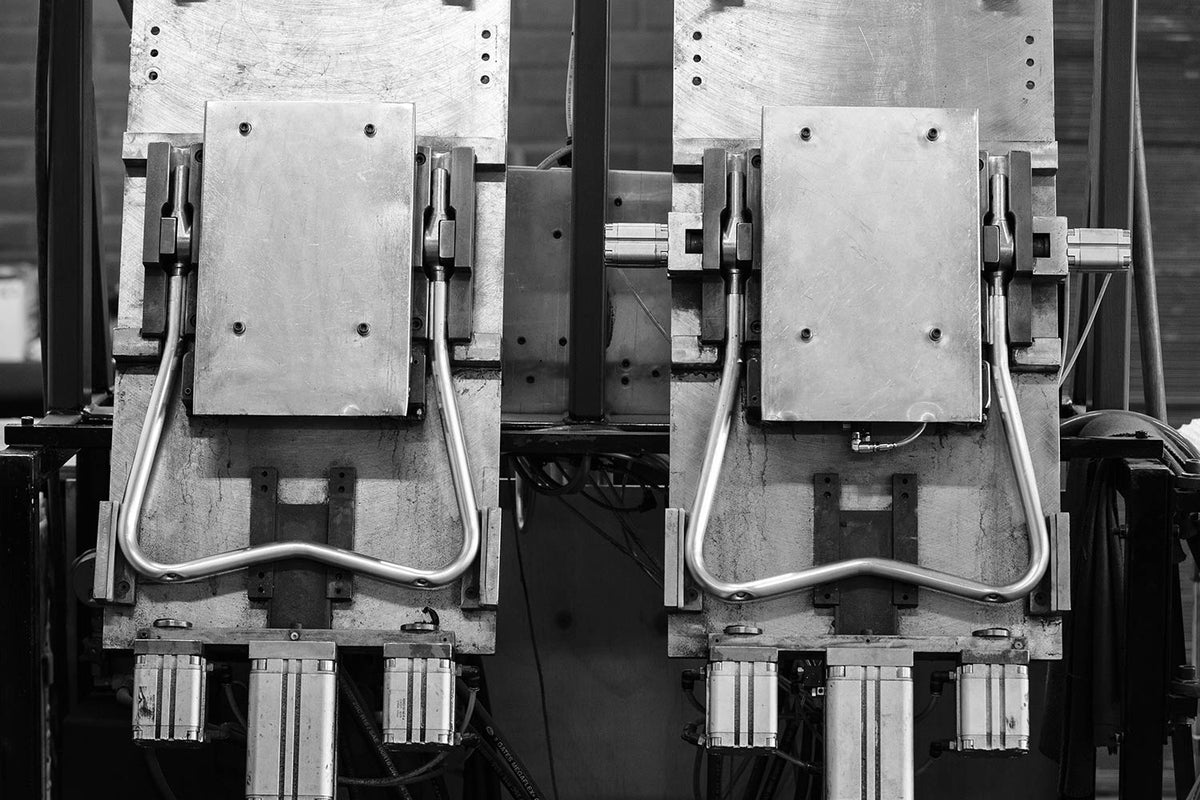
From bending the aluminium tubes to powder coating and assembly by hand. Read about how STOCKHOLM II and the other models in the range are made at Lectus Produktion.
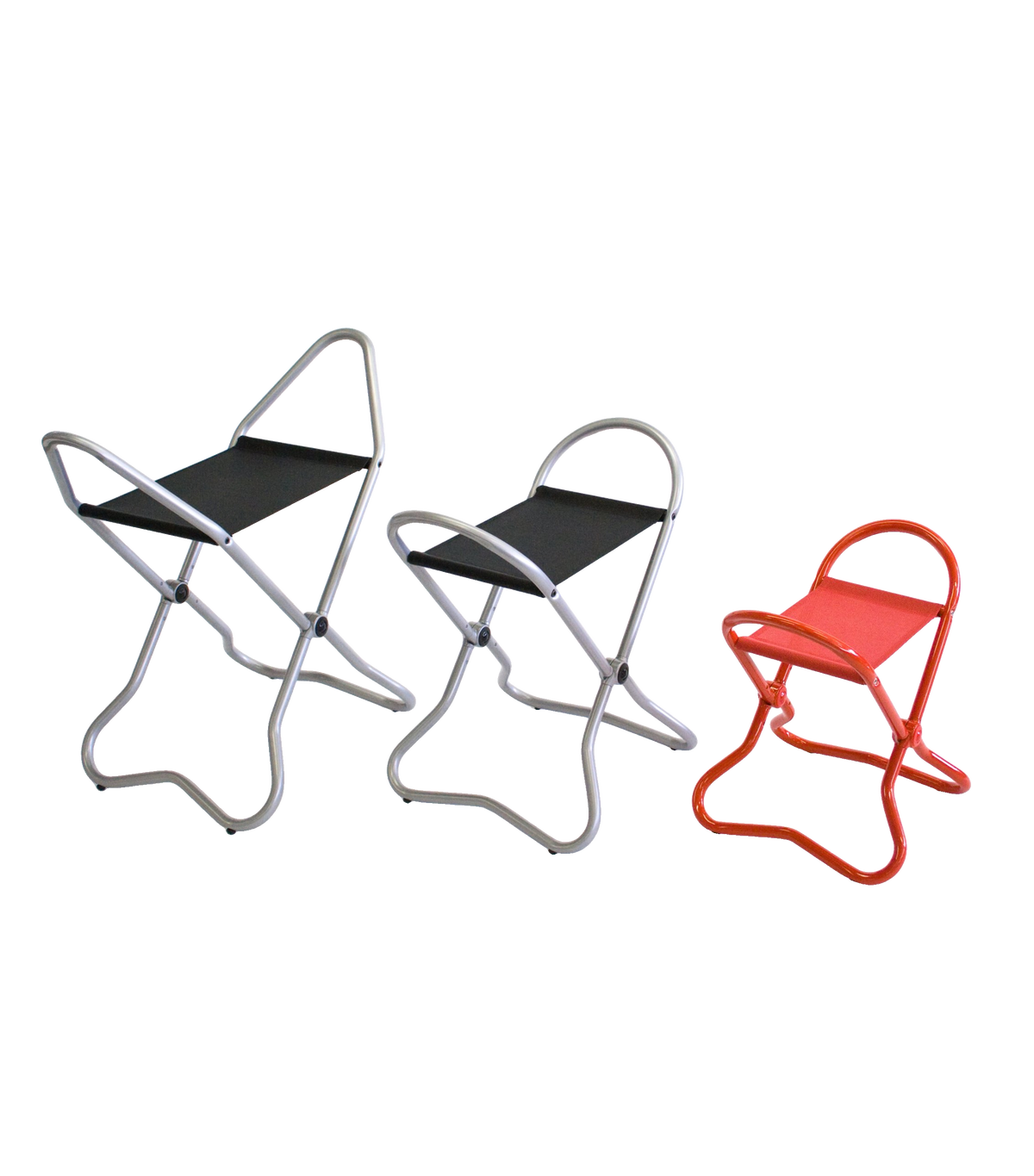
STOCKHOLM II, NEW YORK, CHICAGO and SNUPI are based on the same design in four sizes. Here are the differences to consider when choosing.
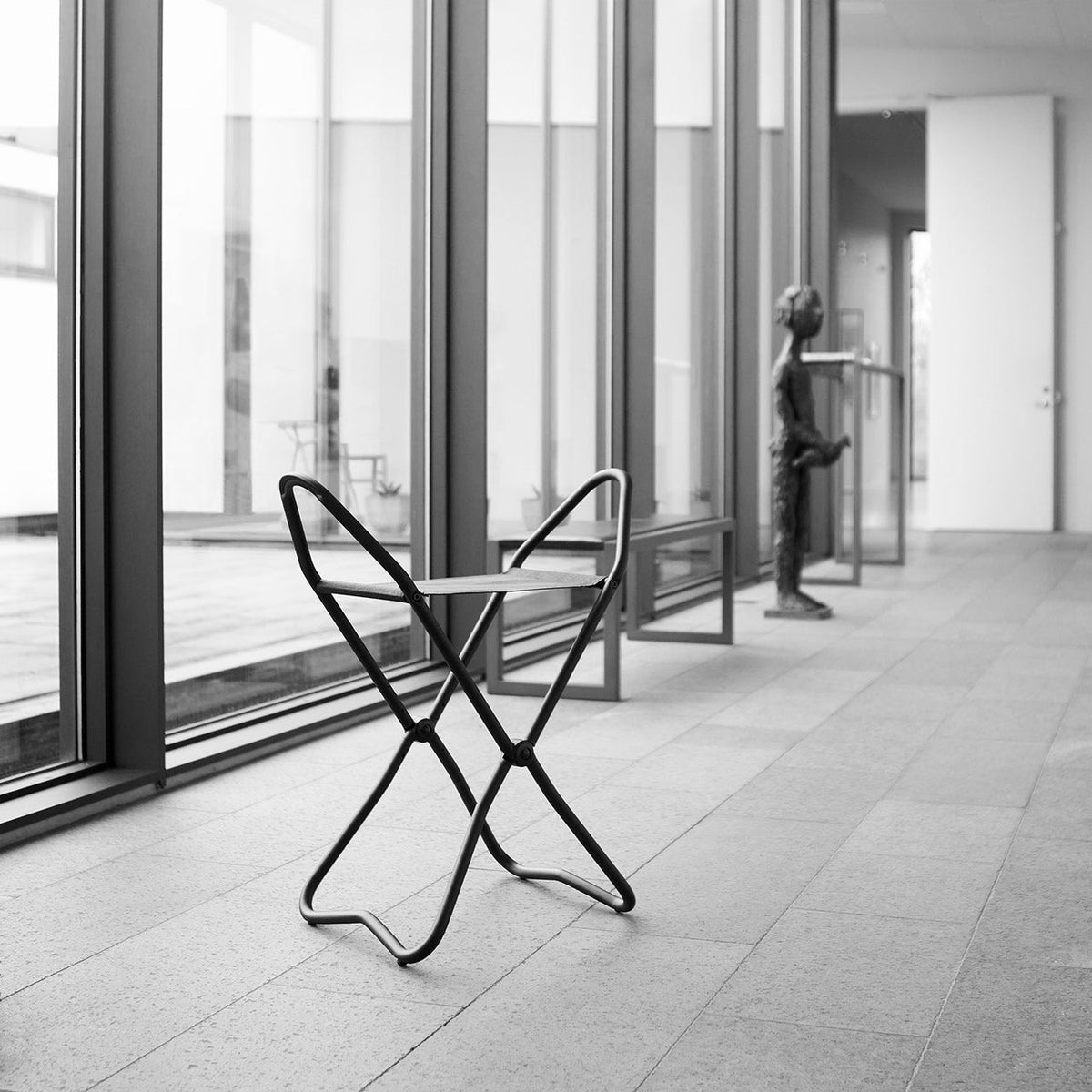
From Excellent Swedish Design and Red Dot Best of the Best to MoMA's permanent collection. This is how a museum stool became an international design classic.